
Where the Law Comes to Life
For more than 120 years, the Student Law Office at the Sturm College of Law has given students hands-on experience practicing law while providing free legal services to people who need them.
By Heather Hein
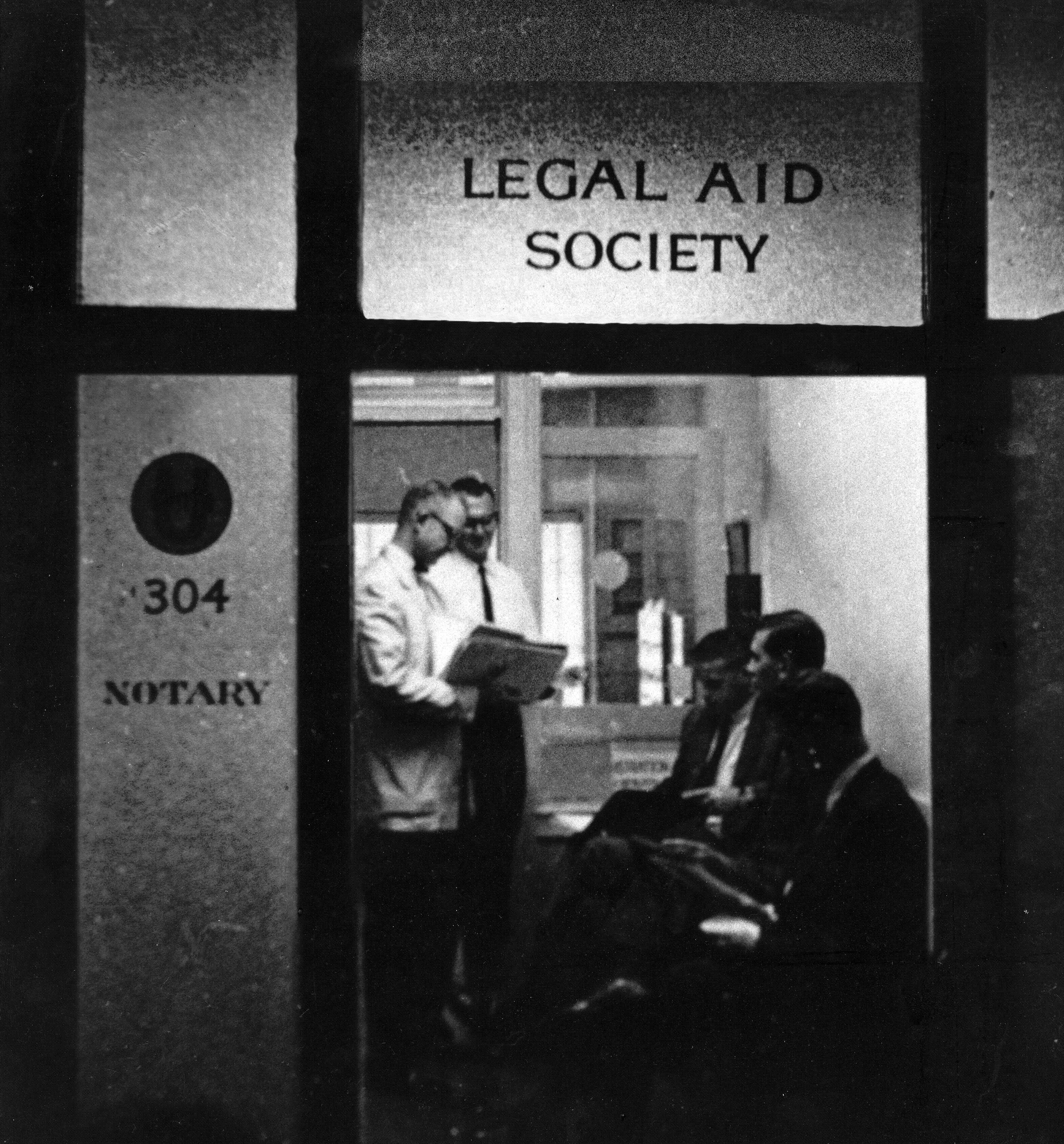
In 1904, the University of Denver College of Law pioneered a new approach to legal education, putting law students to work helping people who lacked access to representation. The Legal Aid Dispensary would become the foundation for what is now the Student Law Office.
More than 120 years later, the idea behind it endures. Today, the seven clinics in the Student Law Office give students the chance to represent real clients with real legal problems, taking primary responsibility for their cases while working under the close supervision of licensed law school faculty.
“I think of our law clinics as the place where the law comes to life, both for the student and for the community,” says Lindsey Webb, associate law professor and the Ronald V. Yegge Clinical Director of the Student Law Office. “We’re teaching our students how to be excellent, client-centered lawyers, and we’re helping people who are in real need of representation.”
Students can apply to join a clinic after their first year of law school. Each academic year, an average of 80 to 100 students participate in the clinics, which vary in size and include the areas of criminal defense, civil litigation, civil rights, environmental law, community economic development, immigration law and policy, and advancing social change.
While the number of clinics has grown over the years, the mission has remained constant. In fact, says Webb, it’s written into the state’s 1909 Legal Aid Dispensary Act, which allows students in law school clinics to provide legal services to “poor and legally underserved persons.”
“Student attorneys in the SLO develop their legal skills, their professional identity, and their dedication to justice by providing excellent representation to those in our community who need legal assistance,” says Webb.

A photo published in a 1955 bulletin shows students assisting a client in the Denver County Jail.
A photo published in a 1955 bulletin shows students assisting a client in the Denver County Jail.
A photo published in a 1955 bulletin shows students assisting a client in the Denver County Jail.
A photo published in a 1955 bulletin shows students assisting a client in the Denver County Jail.
A photo published in a 1955 bulletin shows students assisting a client in the Denver County Jail.
A photo published in a 1955 bulletin shows students assisting a client in the Denver County Jail.
A photo published in a 1955 bulletin shows students assisting a client in the Denver County Jail.
A photo published in a 1955 bulletin shows students assisting a client in the Denver County Jail.
Student attorneys work on behalf of clients across seven different clinics.
Student attorneys work on behalf of clients across seven different clinics.
"We’re teaching students how to be excellent lawyers, and we’re helping people who are in real need of representation."
Where students become lawyers
Every semester, law professor Tammy Kuennen asks her students in the Civil Litigation Clinic to name something they’ve learned in life that has really stuck with them.
“They come up with all kinds of things—learning how to drive or snowboard or what to do when you lose your passport on a trip,” says Kuennen, who has led the CLC for 22 years. “No one ever names something they learned in a classroom. I think that sums up why experiential learning is so important.”
The students in the CLC work in pairs to help clients involved in three kinds of cases: eviction, domestic violence protection orders, and wage theft. Students also work with a variety of community groups—organizations like Colorado Legal Services, which refers most of CLC’s clients—to identify and address systemic legal issues in these areas.
Students choose the cases they work on, but they are encouraged to try more than one type. “They all offer different learning opportunities,” Kuennen says. “For example, in eviction cases, where clients face houselessness and the law is more complicated, students must quickly absorb both federal and state law defenses.”
Because civil litigants don’t have the right to representation, clients in these types of cases would most likely have to represent themselves without DU’s student attorneys. That access to representation is one reason the CLC takes these cases, Kuennen says.
Another is that they move quickly, with trials typically taking place within two to four weeks. The other civil clinics, Civil Rights and Environmental Law, take on larger cases that have much longer pretrial and discovery periods.
“Ours are more the trial-by-ambush kind of experience,” Kuennen says. “But that provides the students a really nice opportunity to be able to do absolutely everything on the case from start to finish.”
From conducting initial client interviews to delivering closing arguments, students have the opportunity to apply what they’ve learned and see how the pieces of being a lawyer fit together. The experience helps prepare them not just to understand the law, but to use it thoughtfully and responsibly in service of their clients.
“We want students to understand that what they do as lawyers has an impact on human lives,” Webb says. “They can’t just know the doctrine; they have to take everything they learn—communication, writing, research, ethics—and synthesize it. That all comes together in the Student Law Office.”
 Built with Shorthand