
New Heights
Miles above the mile-high city, students at the Velotta Lab are exploring life on Earth
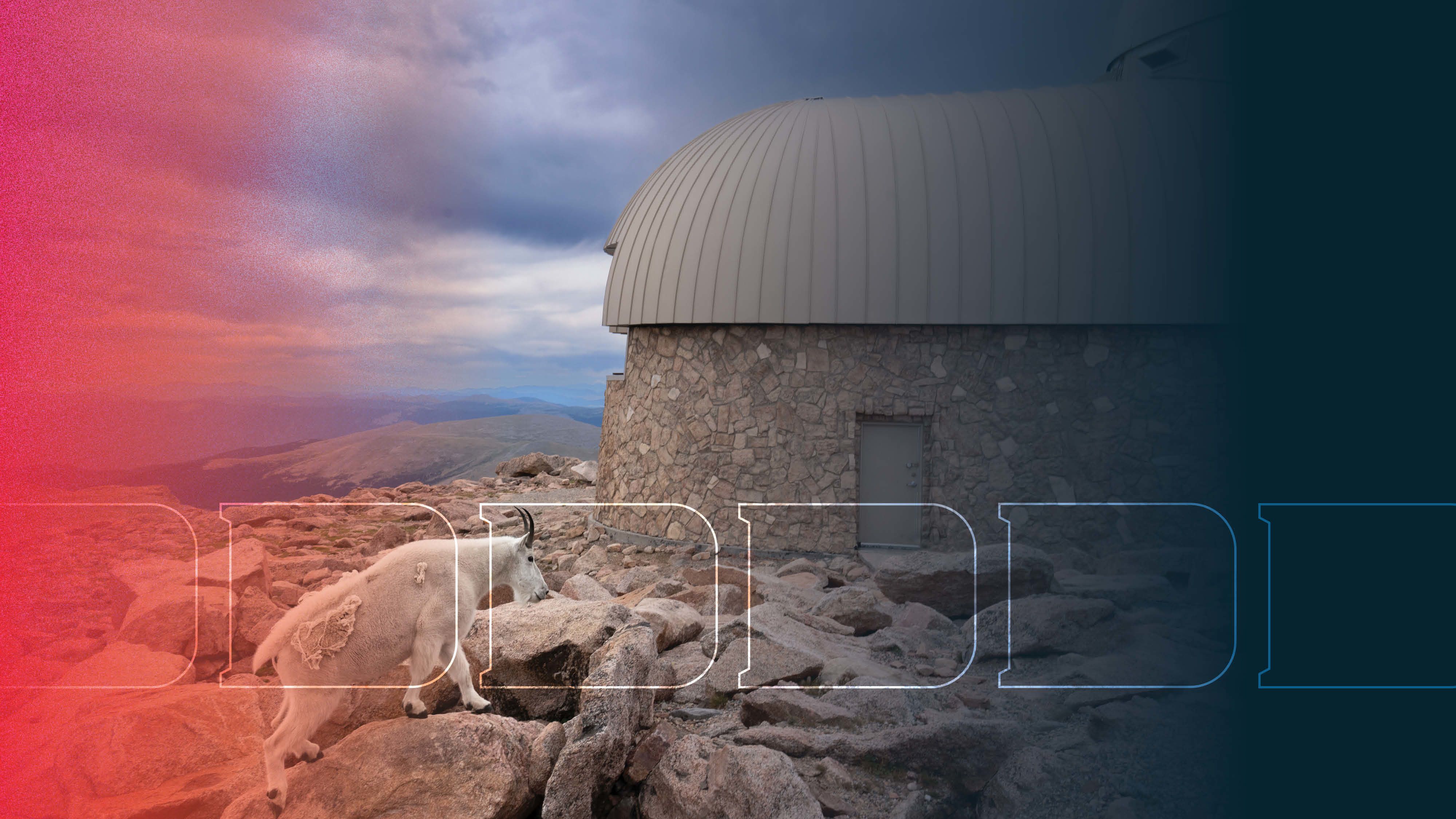

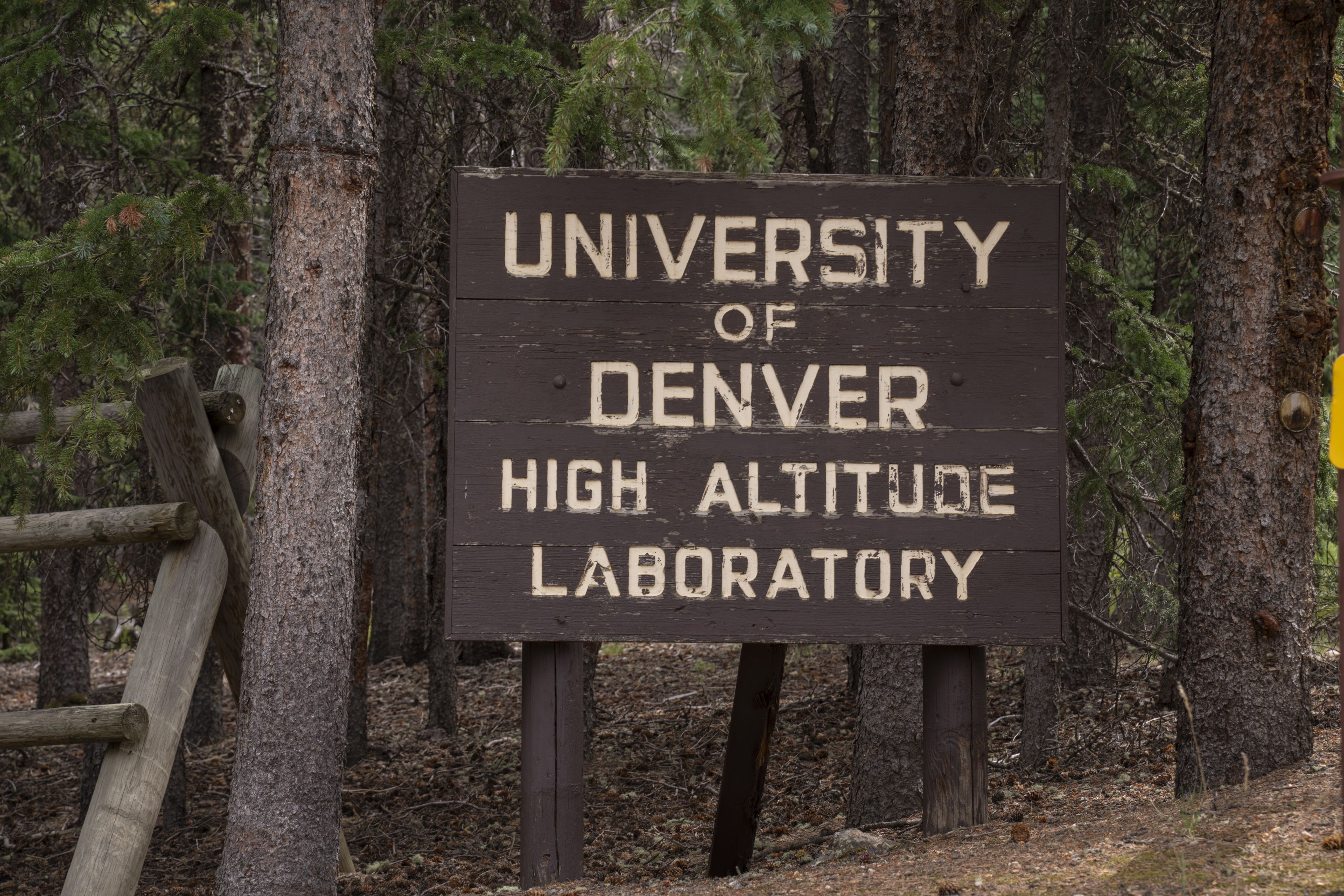
The Velotta Lab at the University of Denver is driven by a central question in evolutionary biology: how do organisms adapt to extreme environments?
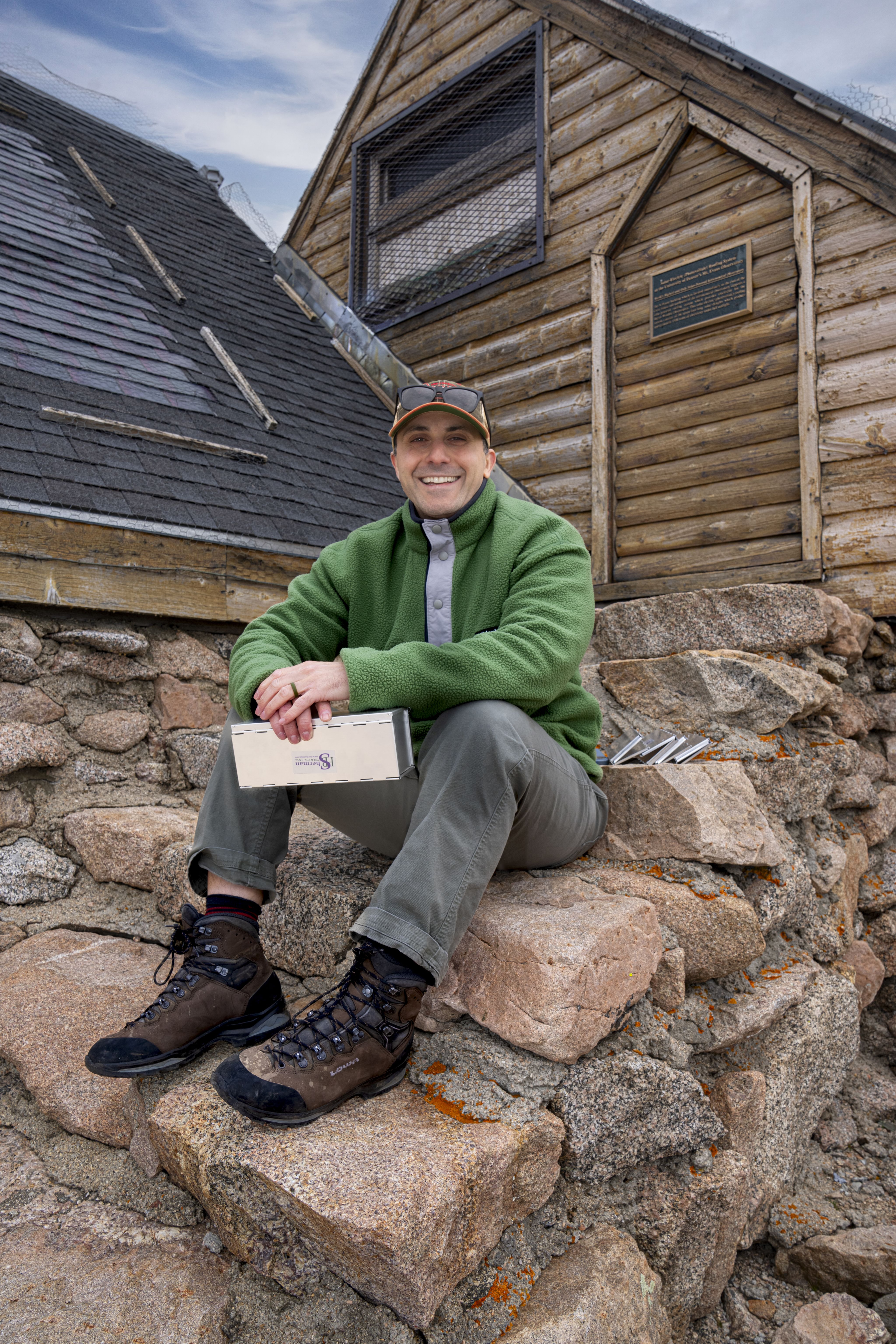
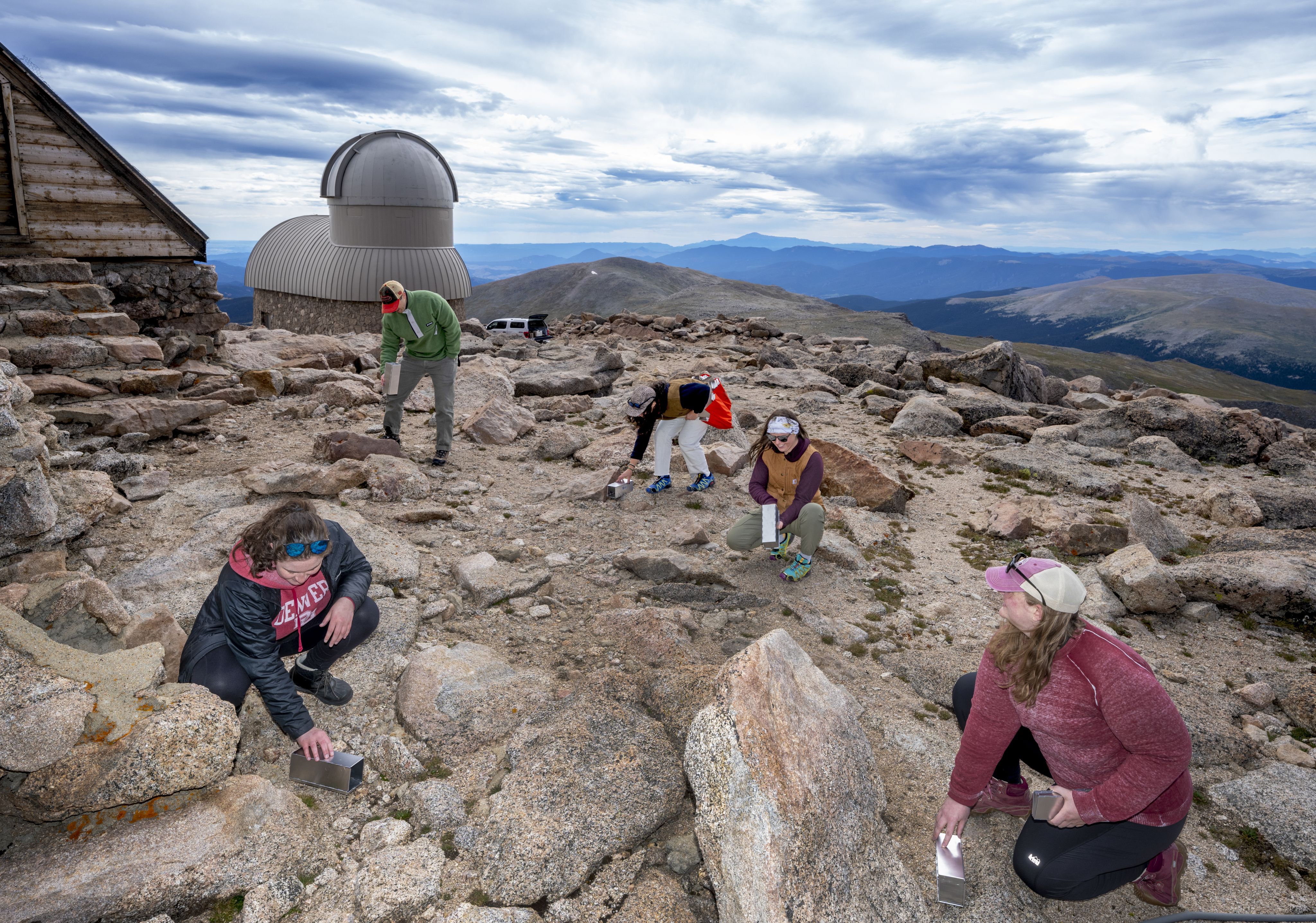
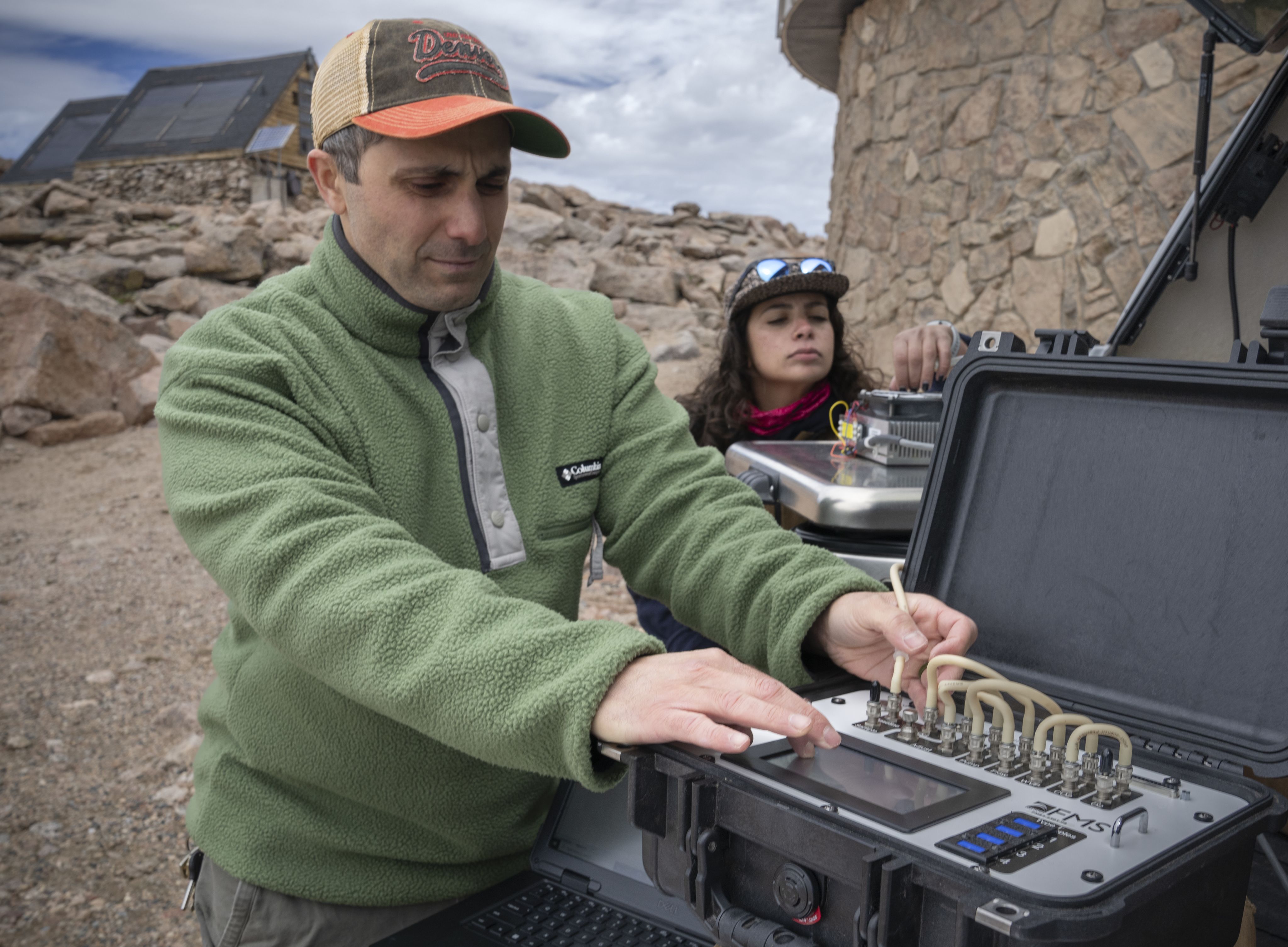
In pursuit of innovative research, a team of graduate and postdoctoral students, led by Jon Velotta, PhD, often trek to Mount Blue Sky Field Station, perched at more than 14,000 feet in the Colorado Rockies. There, they perform field research, collecting samples to analyze back in their campus lab.
As one of the highest geographic points in Colorado, Mount Blue Sky is a prime location to study animal populations that live in harsh, challenging conditions. Current research involves high-altitude, winter-active mice that have evolved mechanisms to stay warm, as well as migratory ocean fish populations adapting to life in fresh water.
These studies have the potential to shape the future of scientific understanding. By observing how animals and ecosystems function under physiological stress, and analyzing how those pressures shape genetic diversity, DU students are making meaningful contributions to deciphering evolutionary processes. Their work also helps with anticipating the effects of climate change and advancing human health outcomes.

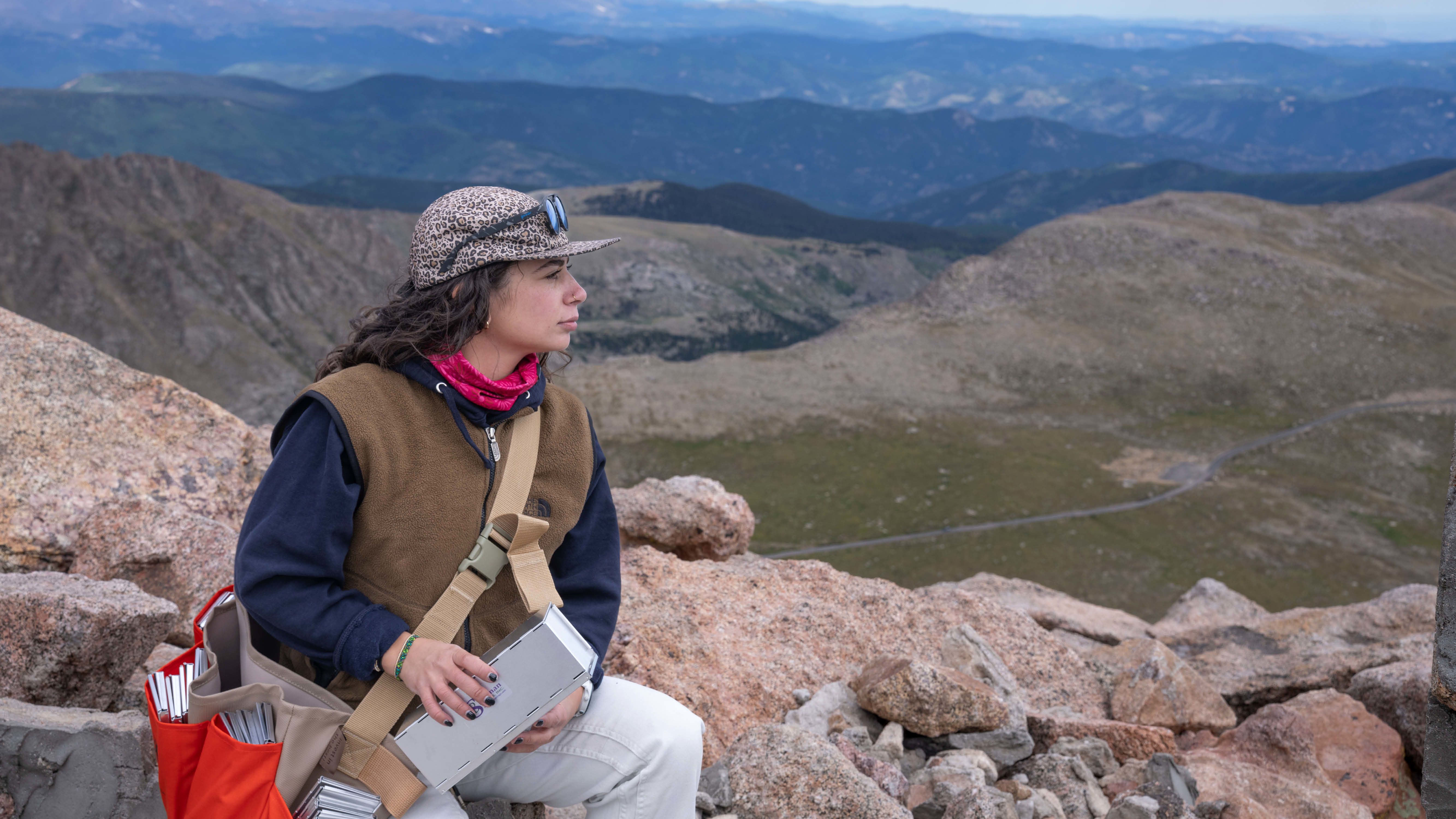

“Our research is important because it takes something really insignificant, like a mouse, and puts it in a really important context.”
“Using a tiny — but mighty — animal like deer mice (which have the highest elevational range of any North American mammal) can help us answer some of the biggest questions about human health at high elevations,” says Senese. “Though mice may seem a lot different from humans, our response to the lack of oxygen on top of Mount Blue Sky is shockingly similar.”
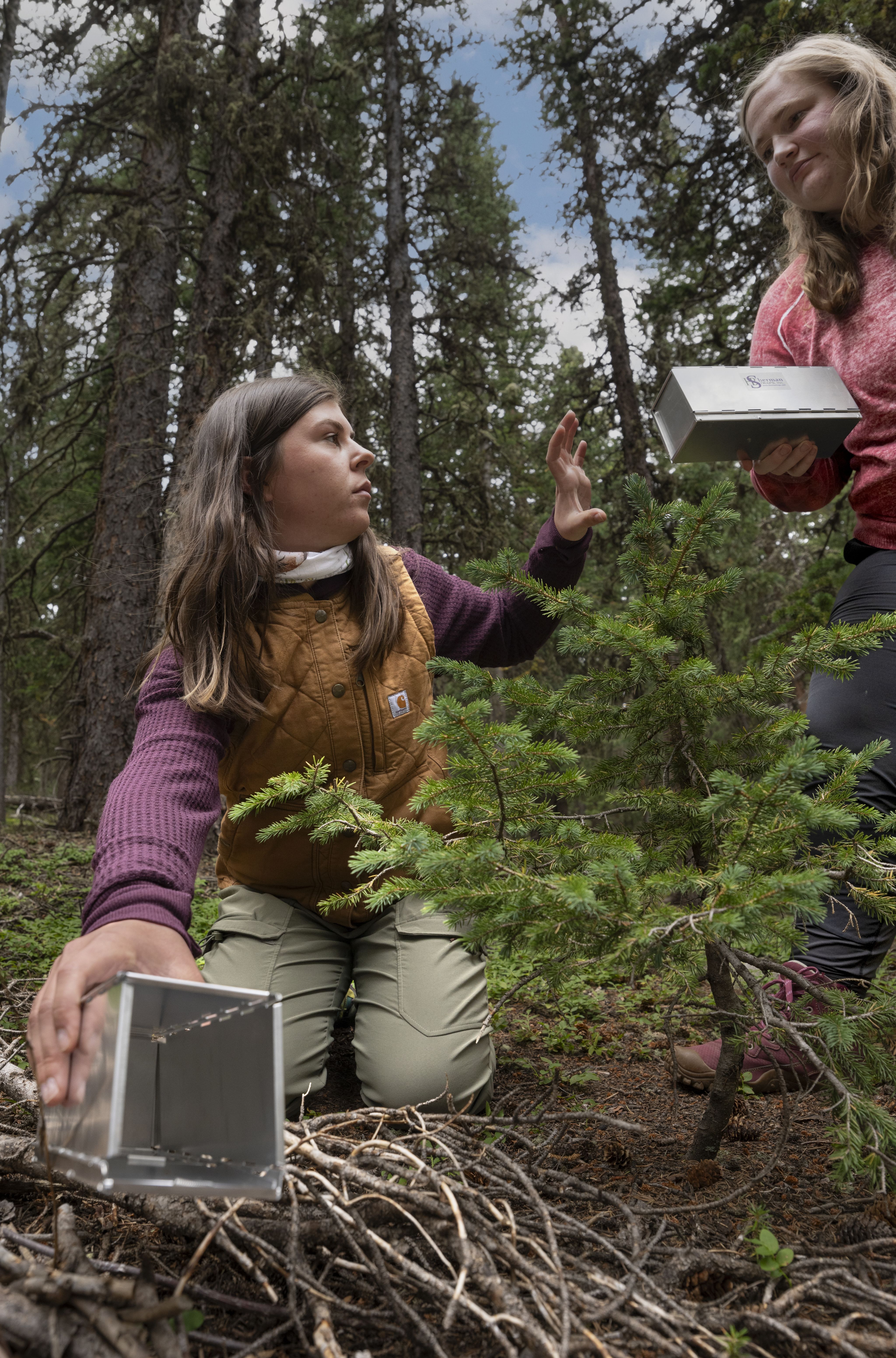
At the heart of the Velotta Lab’s mission is educating the next generation of ecologists. Immersed in the very environment they are studying and working alongside expert mentors, DU students gain invaluable hands-on experience in fieldwork, data collection, and experimental design.
For Senese, the opportunity to engage in site-specific research was a key factor in choosing DU for her PhD studies. “What’s important to me is place-based research,” she shares. “The University of Denver has given me the opportunity to do just that — to go out into an environment in our backyard, to actually hold and interact with the animals I’m studying.”
The Velotta Lab’s work at Mount Blue Sky exemplifies the power of curiosity and ecological innovation. As the summit road reopens in April 2026, this “living laboratory” will continue to inspire both groundbreaking research for DU faculty and students, as well as outdoor adventures for visitors.











The Denver Difference campaign is empowering DU to lead with a bold, innovative approach and redefine higher education—driving a lasting impact on the public good through its visionary people, programs, and places.
Be the first to hear about upcoming stories like this by signing up below!
University of Denver | Advancement | 2199 S. University Blvd | Denver, CO 80208 | advancement@du.edu
 Built with Shorthand