
Remy Le Boeuf: Crimson, Gold, and Brass
Lamont’s Director of Jazz and Commercial Music Wins Grammy for Best Instrumental Composition
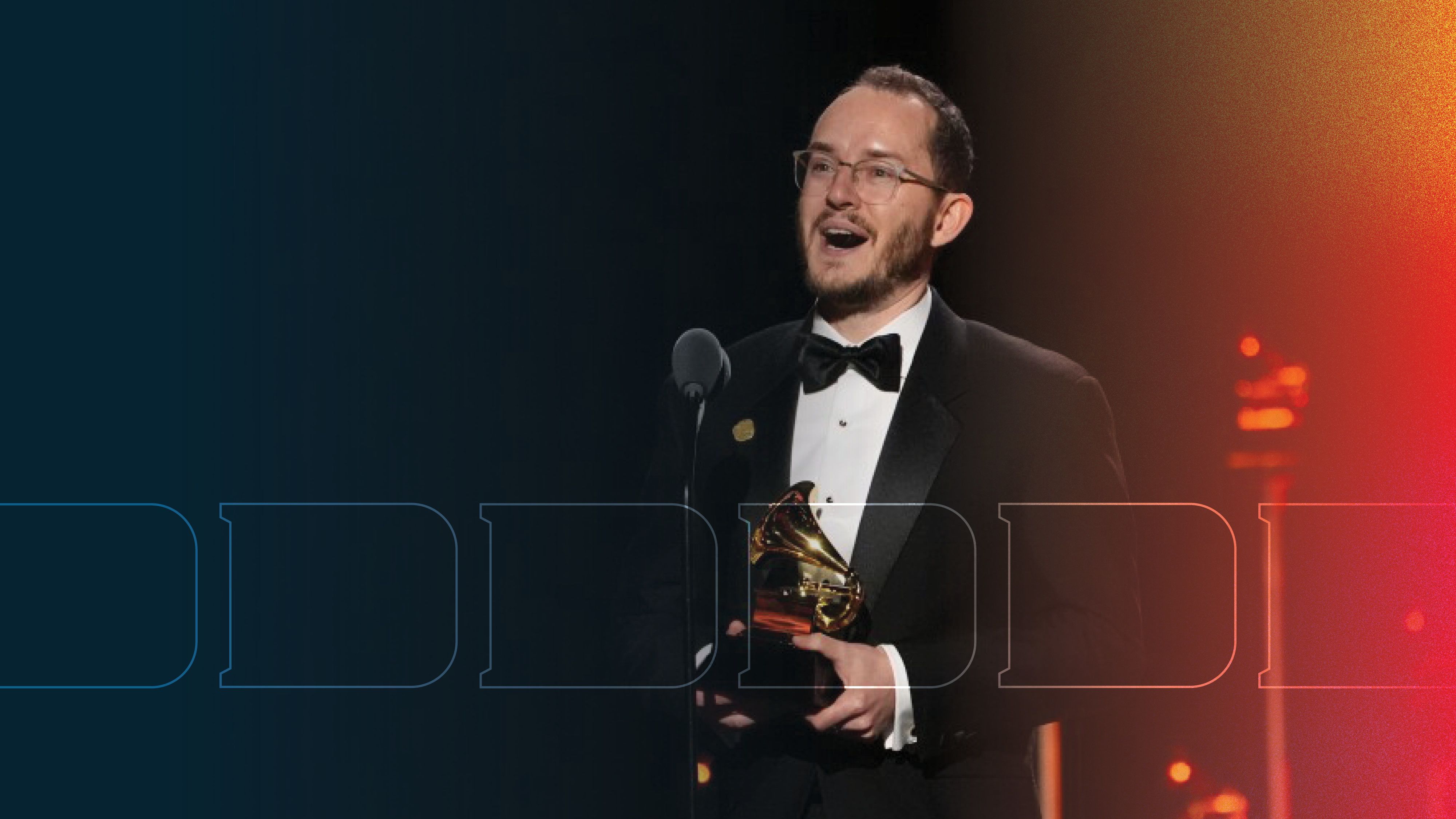

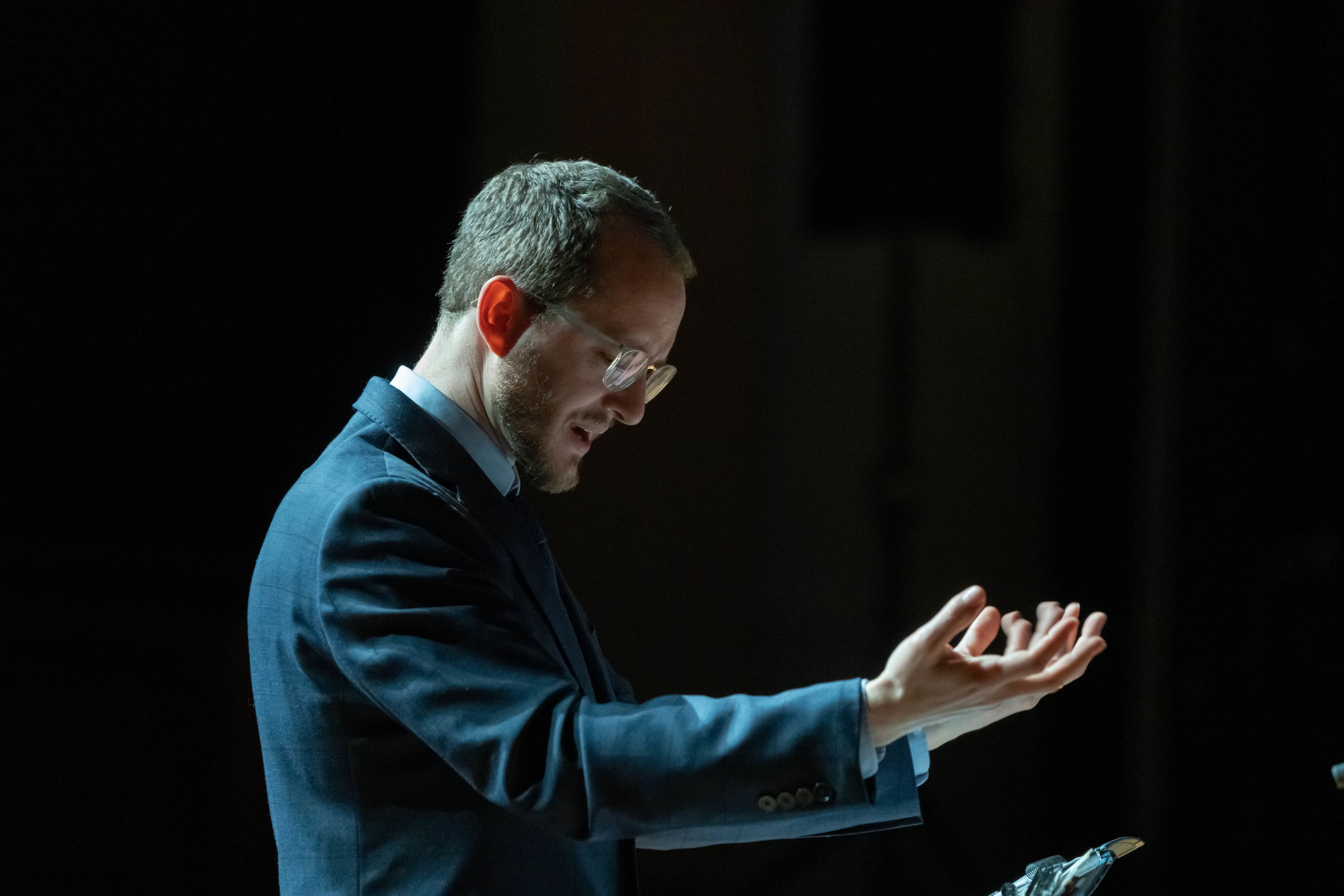
Music has been a lifelong journey for Remy Le Boeuf, saxophonist, modern jazz composer, and director of Jazz and Commercial Music Studies at the Lamont School of Music. From discovering the piano on a friend’s toy keyboard as a child to mentoring DU students and ultimately becoming a Grammy Award winner and six-time nominee, Le Boeuf’s passion for music has shaped his remarkable path.
Le Boeuf took home the 2026 Grammy for Best Instrumental Composition for his song “First Snow,” which appears on “Silent Course,” his 2025 album with Danish ensemble Nordkraft Big Band and vocalist Danielle Wertz. Friends, family, colleagues, and DU alums from around the world tuned in to watch him accept the award.
Musical talent runs in the Le Boeuf family. Remy grew up playing music alongside his twin brother Pascal, who won a Grammy in the exact same category the year prior. “We’re even now,” Remy joked in his acceptance speech.
On the Grammy stage, Le Boeuf shared that his music aims to build connections between genres, countries, musicians, and listeners. He brings this same community-building commitment to his classrooms at DU, leading his students by example and encouraging young musicians to forge their own paths.
A Passion for Music
Le Boeuf and his brother were first introduced to music around the age of nine, when a friend taught them how to play a few songs on the piano. The spark was lit, and the brothers soon began writing and playing their own music. Remy picked up the saxophone after attending a music camp in Santa Cruz, California. There, he was exposed to jazz — the genre that would become his life’s work.
As the Le Boeufs grew up and honed their skills as musicians, they busked during summers at the Santa Cruz farmer’s market, which gave them opportunities to perform for audiences and master a broad repertoire of jazz and American songbook tunes.
Le Boeuf’s recent album and Grammy win followed years of Recording Academy accolades. The twins’ jazz group, Le Bouef Brothers, first received a Grammy nomination for Best Instrumental Composition in 2018. Remy earned his first nomination as a lead artist in 2021 during the COVID-19 pandemic, when he received multiple nominations for his album, “Assembly of Shadows.”

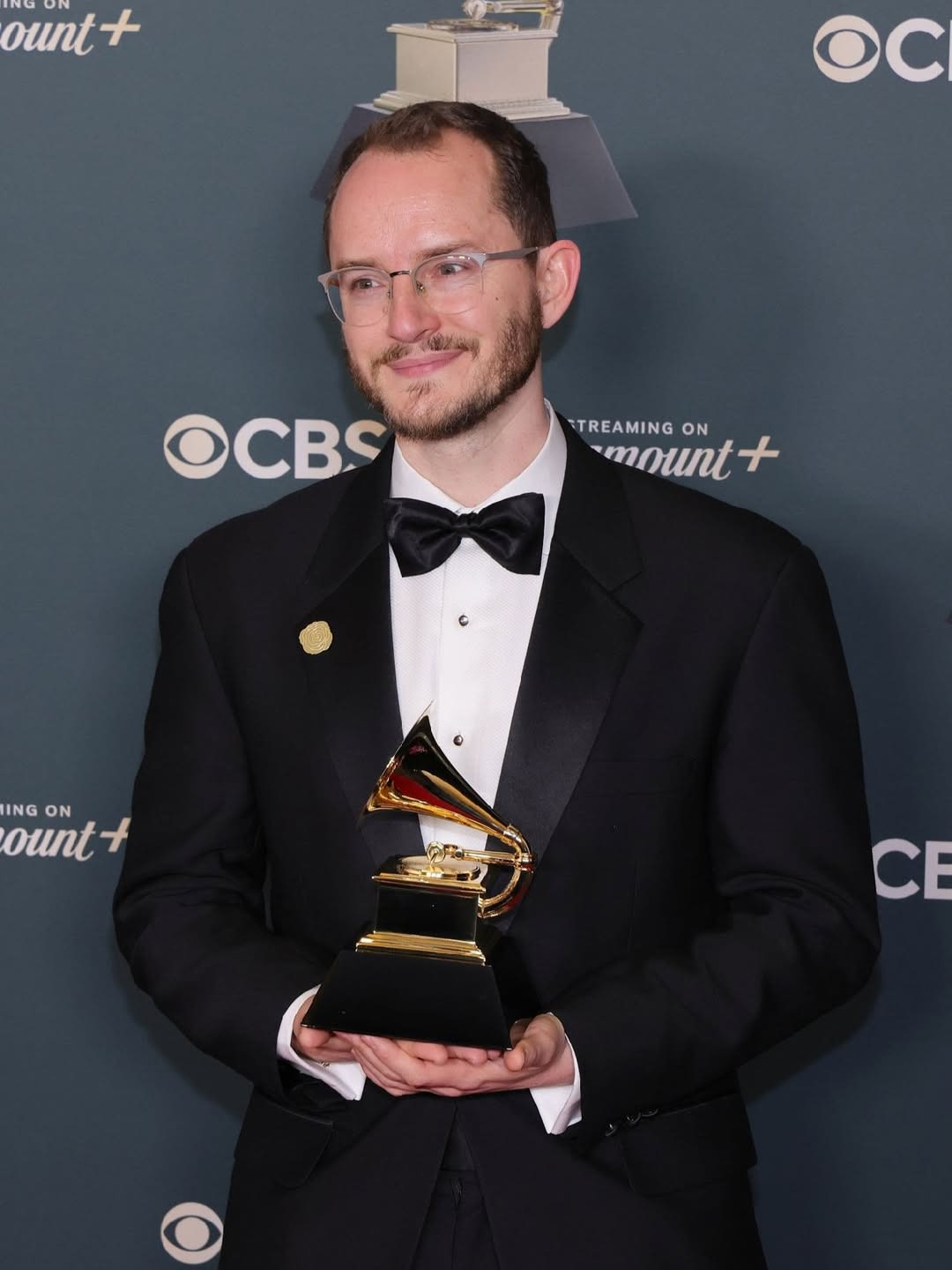
Above: At the 2026 Grammy Awards, Le Boeuf sported a golden lapel pin in the likeness of the famous rose-shaped window on the west face of the Newman Center on the DU campus, showing off his Lamont pride.
“It was a complete shock to me,” Le Boeuf recalls, reflecting on the surprise of that first solo nomination. “I was visiting my parents in Santa Cruz at the time. It was surreal because I was just by myself in a little cabin with poor internet, getting a couple of texts and emails here and there. Suddenly, my phone started blowing up with people congratulating me. I didn’t know why! And then I found out I was nominated for a Grammy.”


Finding Purpose in Personal Expression
Le Boeuf says he first gravitated to jazz because it was a form of individual expression.
“There’s a lot of space to be yourself within jazz. It’s a genre that highlights individual identity in a special way,” Le Boeuf says. “You’re encouraged to have your own voice.”
Growing up, he kept an open mind about the kinds of music he listened to, developing a varied palette spanning genres, moods, and eras. His sister introduced him to ska, he listened to the radio, sang in a choir, and played oboe in a youth orchestra.
He believes his music stays rooted in the “process and tradition of jazz” but incorporates a lot of different genres. “You have to be an improviser,” he notes. “Jazz sets you up to do a lot of different things and have an understanding of harmony and the building blocks around those things.”
He hopes that as he continues to create, he can push the trajectory of contemporary music forward, encouraging musicians to take their art in new directions, integrating their personal experiences and emotions. He accomplishes this, in part, through mentoring Lamont students at DU.

Jamming Beyond Genre
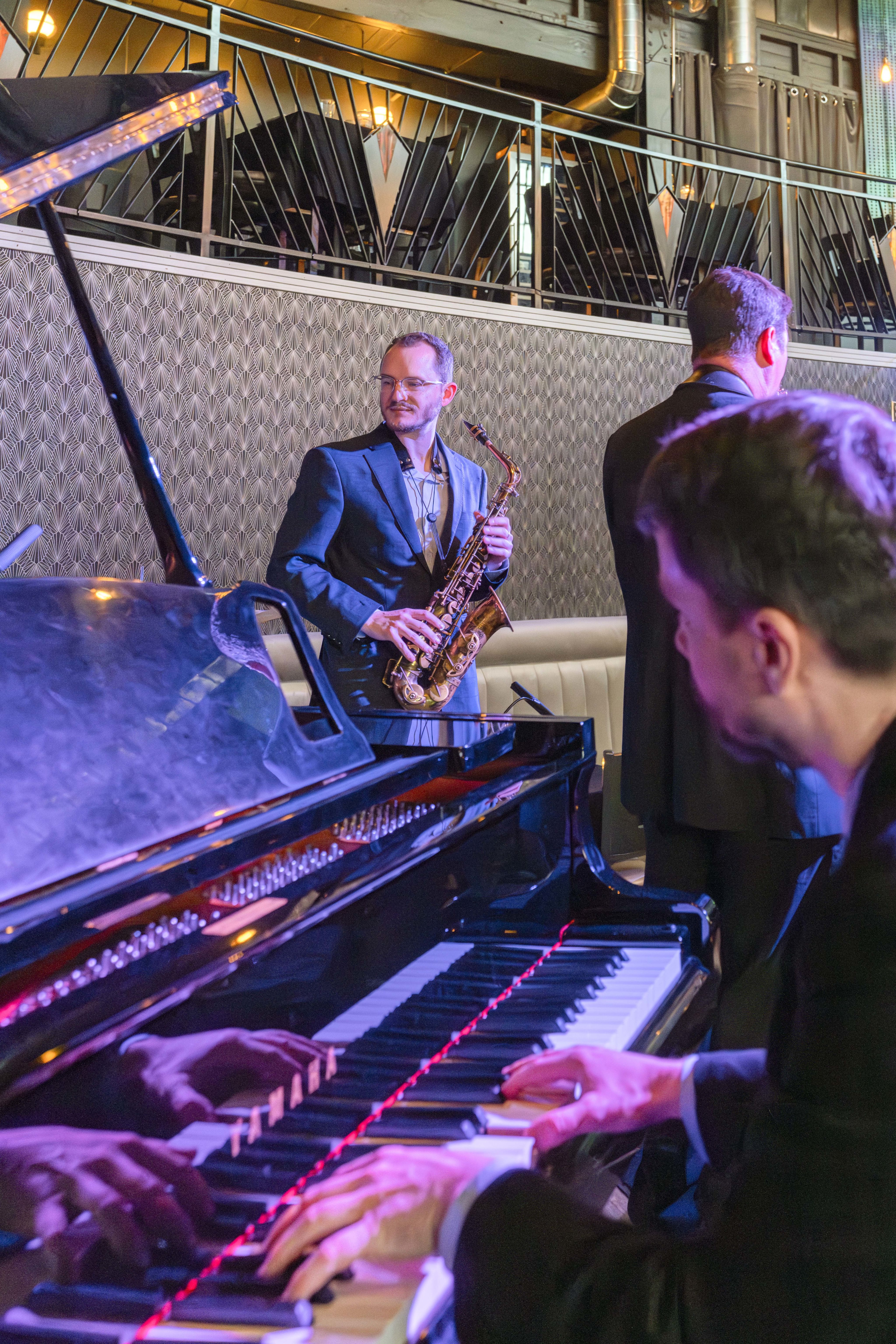
As a professor, Le Boeuf encourages his students to explore genres and opportunities outside of their primary focus, like he does. He reminds them that some of the most innovative jazz musicians, like Miles Davis and John Coltrane, incorporated elements of other genres into their songs. It’s what makes jazz such a varied and dynamic genre.
Beyond jazz, Le Boeuf draws inspiration from modern artists like Björk, Radiohead, and Beck, as well as classical composers like Claude Debussy and Igor Stravinsky.
Through cultivating his love of music and extending this passion to students at DU, Le Boeuf offers them opportunities to develop character. He challenges and reframes assumptions people make about jazz, hoping to broaden its audience and inspire other young musicians to try it.

A Personal Legacy
Family continues to play an inspiring role in Le Boeuf’s life and art. He wrote “First Snow” on his sister’s birthday, a late October day that also brought Denver its first snowfall of the year. He remembers sitting peacefully at the piano, exploring and developing it into an award-winning composition.
Le Boeuf credits Charles Mingus’ 1959 album “Mingus Ah Um” for getting him hooked on jazz, and his brother Pascal for his impactful approach to music.
“Growing up together and seeing his process gave me the belief in myself to pursue composition as well,” he says.

Building Community Through Music
Over the years, Le Boeuf has become an enduring part of Denver’s jazz scene, allowing him to share his talents far beyond the DU community — and enabling his students to do the same.
Brian Pertl, who became the director of the Lamont School of Music in 2026, says LeBoeuf’s reputation within the jazz community and the respect he has garnered among students and fans alike were among some of the reasons he was drawn to the position and DU.
“Le Boeuf is a great example of the strength of faculty at Lamont,” Pertl says. “Not every university has somebody on faculty who has been nominated for six Grammys — and now he’s won one as well.”

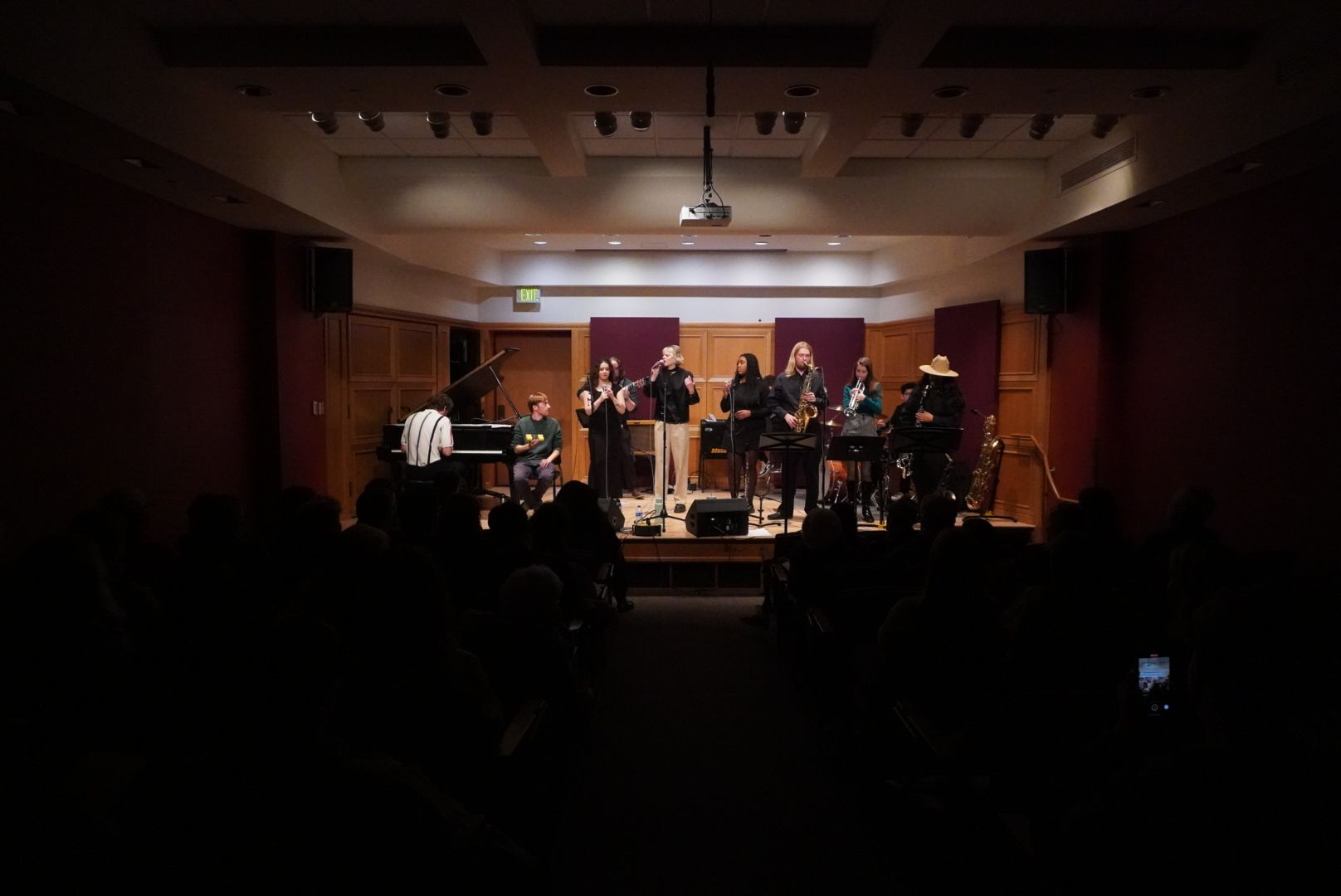
According to Pertl, Le Boeuf is always looking for ways to uplift students and other faculty. While he holds everyone to his high standards, he will do everything in his power to help them reach that bar.
Le Boeuf provides students with opportunities and explorations that help them bridge their personal and professional experiences, enabling them to apply their skills and talents to lead lives of purpose.


Experiential Learning for Student Musicians
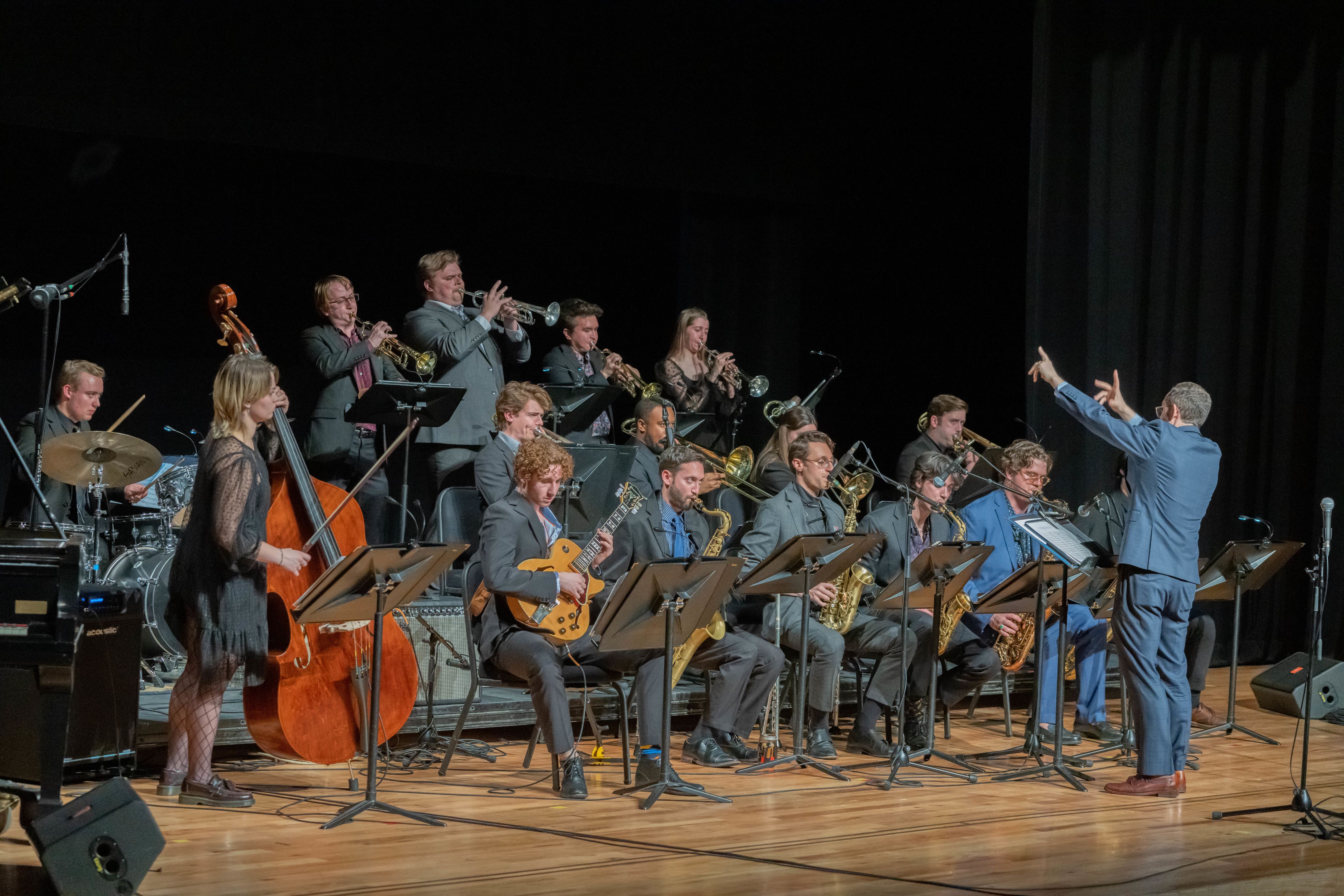
In his role as assistant professor at DU, Le Boeuf advocates for real-world, professional performance opportunities for students.
Pertl recalls that within a week of Le Boeuf’s arrival at Lamont, the new professor offered to rearrange one of his vocal pieces for the didgeridoo, and if Pertl was interested, he said he’d rearrange it for the Lamont Jazz Orchestra.
This kind of enthusiasm and generosity demonstrates that even as Le Boeuf succeeds on the world stage, he is committed to using that success to uplift the next generation.

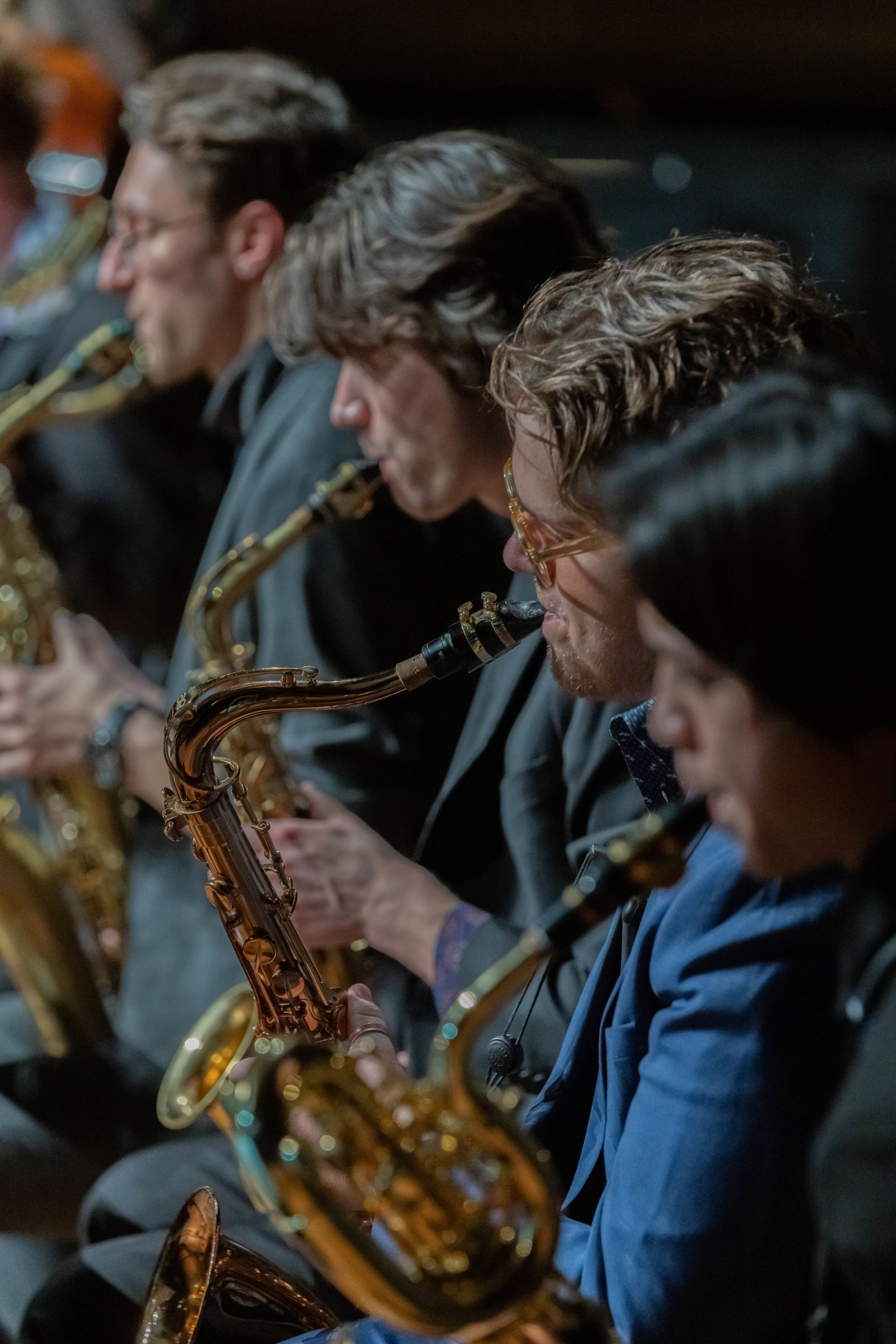
“He has really maximized how this ecosystem can benefit jazz studies at Lamont,” Pertl says. “He brings our jazz band out into the Denver jazz scene.”
Le Boeuf also advised undergraduate jazz student Sam Hall in launching bi-weekly jam sessions, where Denver professional musicians come to play with DU students.
Today, in addition to teaching, Le Boeuf is writing a book and composing several commissions for bands across the world. In May 2026, Le Boeuf’s Assembly of Shadows, a jazz orchestra that includes DU student musicians, will perform at Dazzle, a renowned jazz club in downtown Denver.
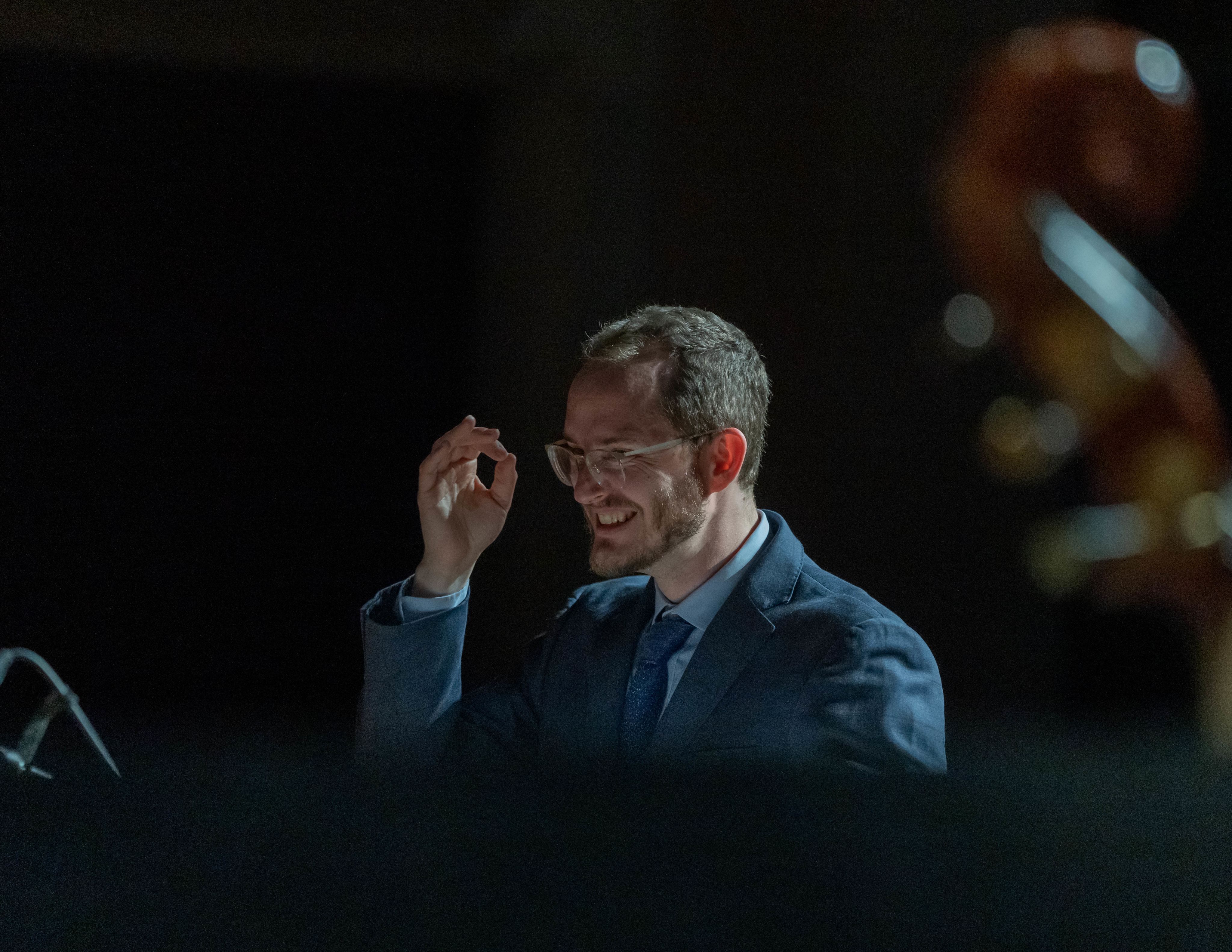
Le Boeuf’s drive comes from genuine passion, which is evident in his lively, original compositions, including “First Snow,” which captures the magic of watching those first few flakes fall from an October sky over Denver.



Let’s show the world what DU can do.
Support the Lamont School of Music's efforts to continue leading the way in training the world-changing musicians of tomorrow.




The Denver Difference campaign is empowering DU to lead with a bold, innovative approach and redefine higher education—driving a lasting impact on the public good through its visionary people, programs, and places.
Be the first to hear about upcoming stories like this by signing up below!
University of Denver | Advancement | 2199 S. University Blvd | Denver, CO 80208 | advancement@du.edu
 Built with Shorthand