Beyond Bookshelves
DU’s libraries are evolving with the needs of today’s students, shaping a bright future
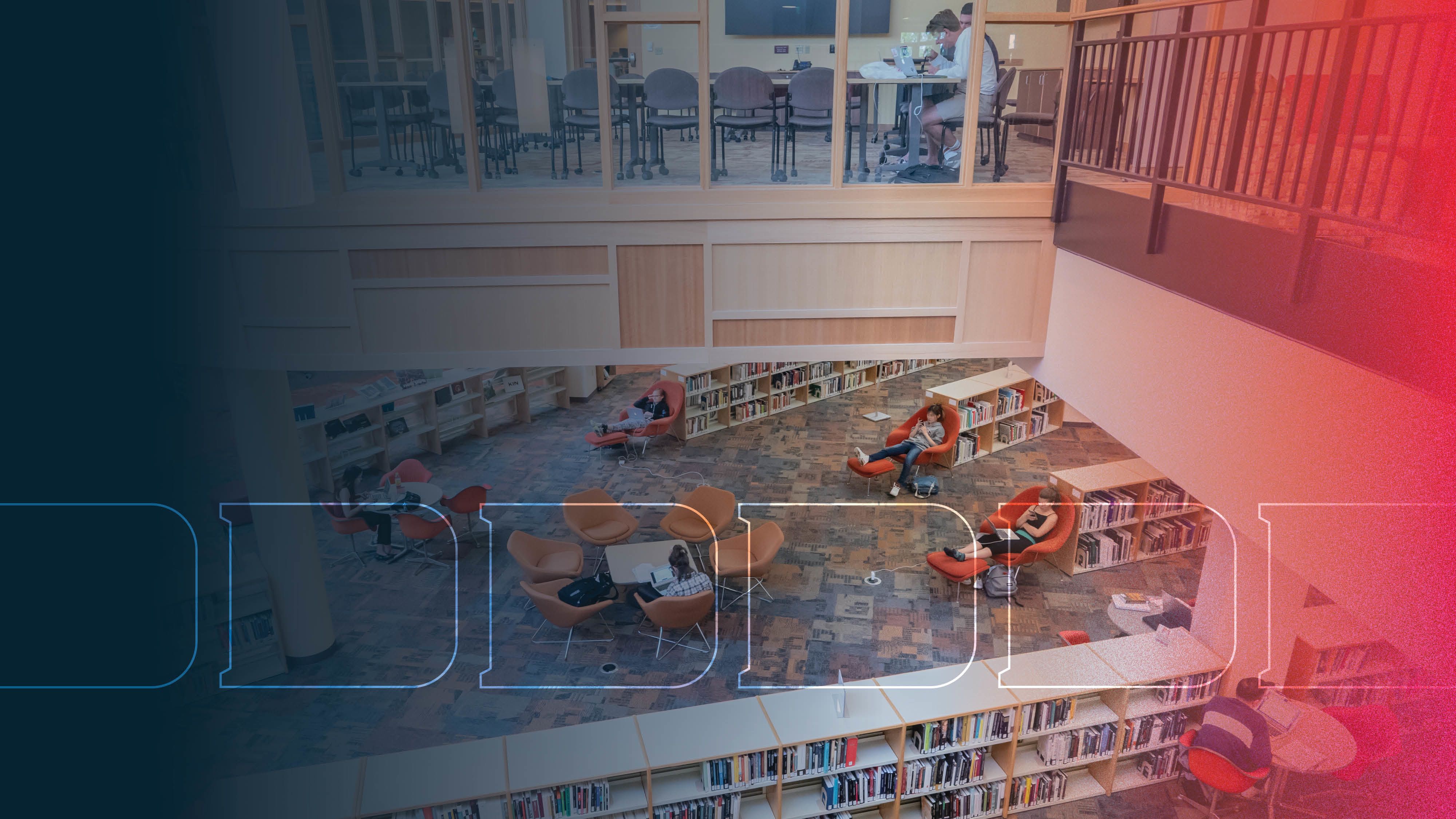

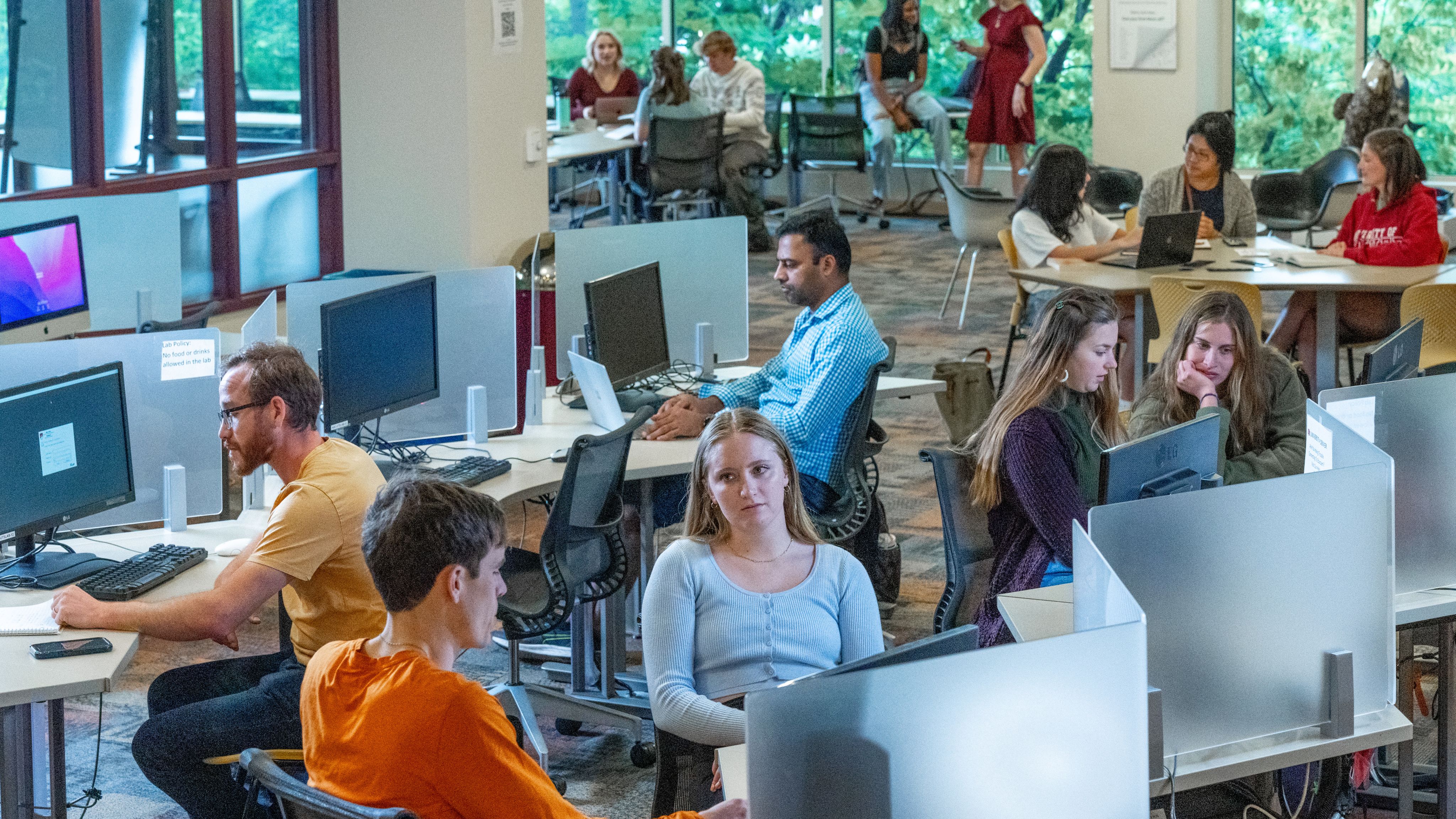
University Libraries at DU are more than repositories of books, collections, quiet spaces, and resources — they’re the heart of the campus. And they're rising to meet the challenges and opportunities of the modern world. Although libraries have always been hubs of innovation, community engagement, and cultural knowledge production, they look much different in the twenty-first century. DU's main library, Anderson Academic Commons, has consistently been ranked by students as one of the best in the country, according to Princeton Review.
Michael Levine-Clark, DU’s dean of libraries, reflects on the radical transformations he’s experienced within libraries over the past decades and how library professionals are adapting to serve today’s students and patrons.
“We have a lot more information in libraries than we ever have, but we’re competing with the internet, where information is ubiquitous. The challenge is trying to guide people through this wealth of information to the right information.”
Community Engagement Begins with Access
That’s where librarians make a difference. DU’s library staff comprises specialists across disciplines who are ready to assist students and faculty achieve their research goals. In addition to serving as experts on the libraries’ holdings, they provide myriad services to ensure that library resources are accessible to everyone.
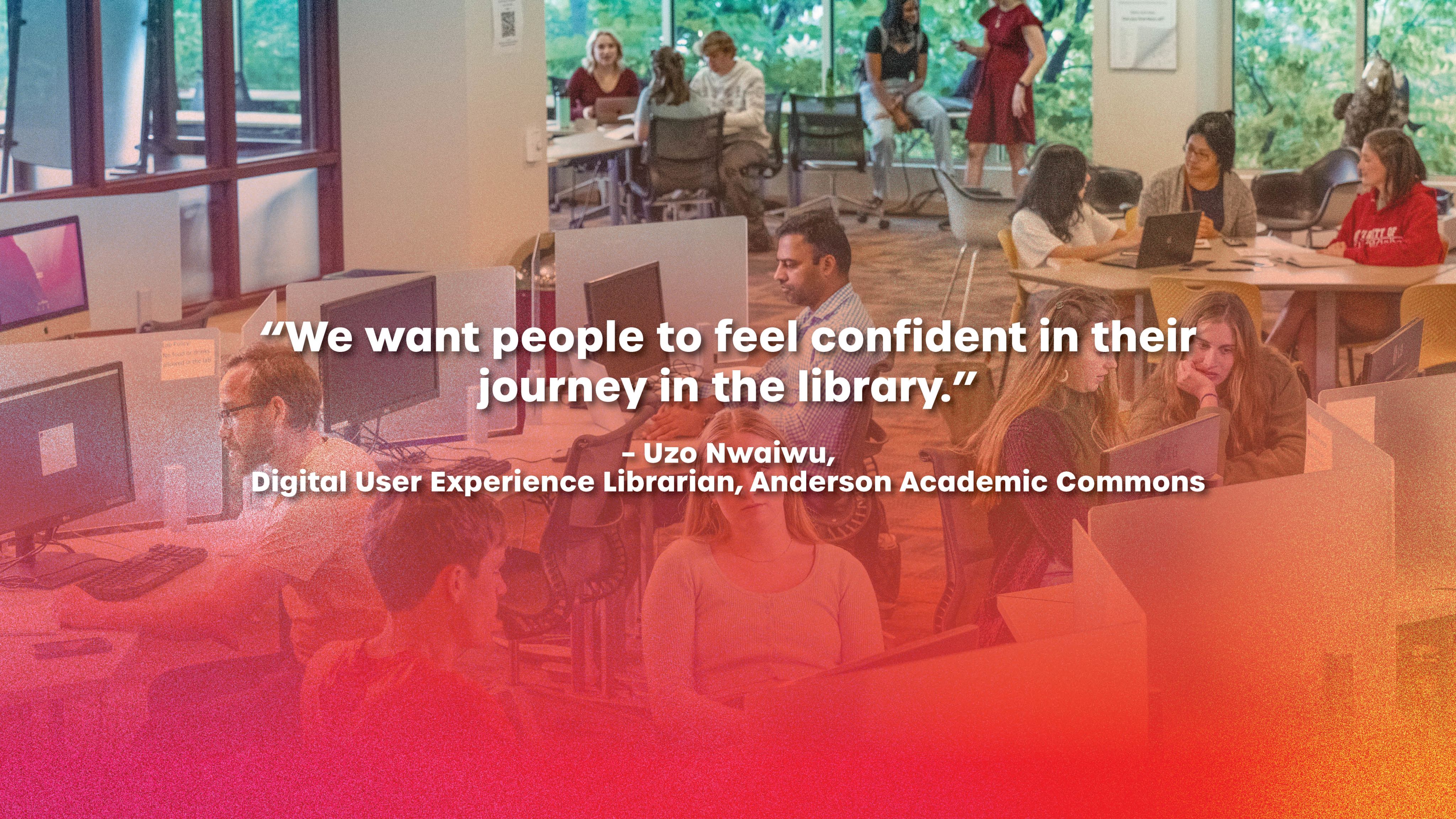
DU’s Digital User Experience Librarian, Uzo Nwaiwu, for example, focuses on making the library’s ever-evolving online tools intuitive and easy for patrons to navigate. These tools include the search and discovery features users see on the libraries’ websites.

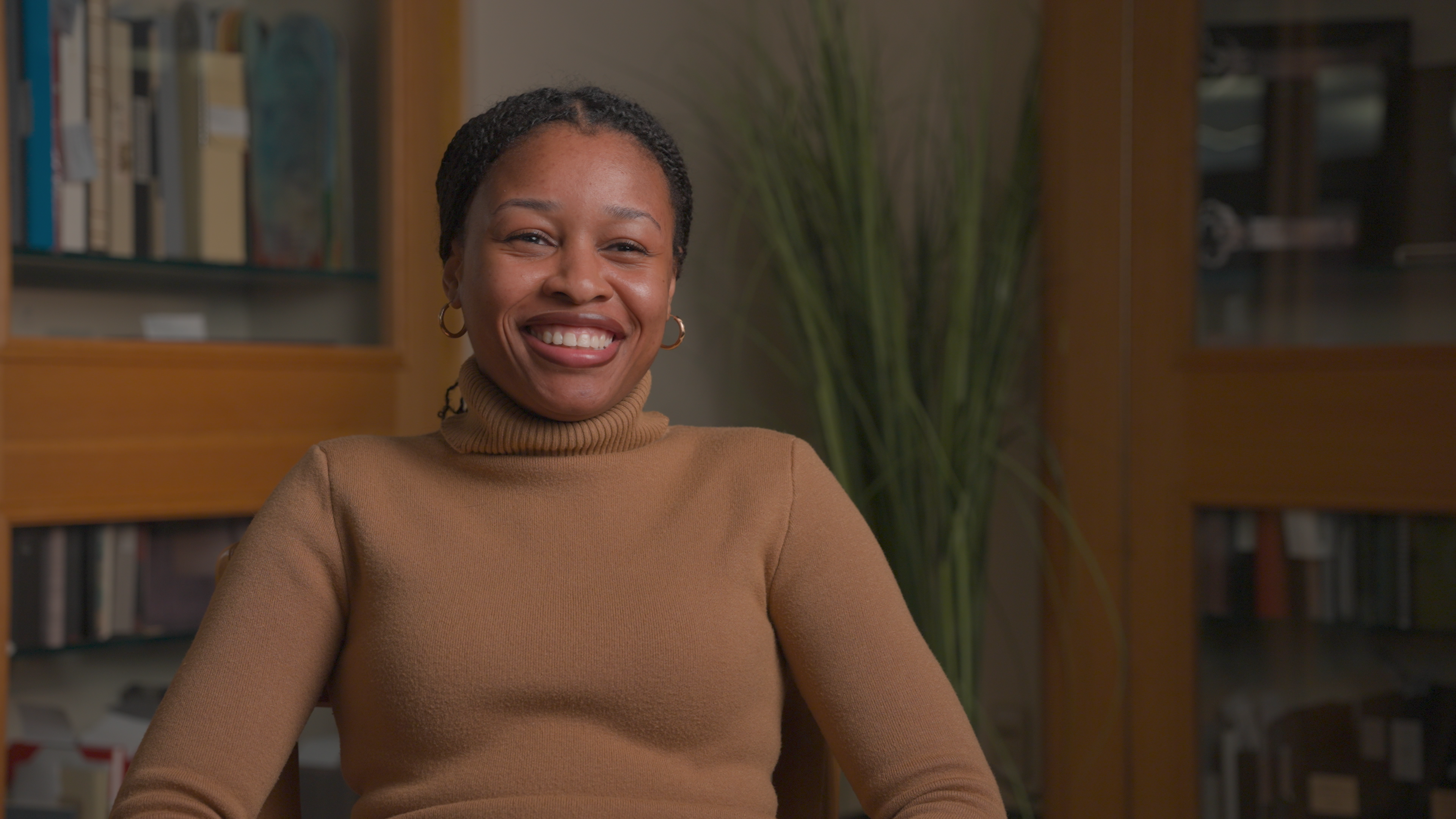
“Libraries have now become online-first. My work revolves around understanding the experience people have when they interact with our digital systems. I design what that experience looks like.”
Because patrons tend to begin their library journeys online, Uzo’s work is essential to ensuring that libraries at DU have a place in the lives of today’s students, faculty, and other members of the community — as well as the library’s future patrons.
She is also tuned in to how the library’s online interfaces can best serve everyone, including patrons with disabilities and those accessing the library remotely, opening doors — both online and in-person — to anyone with a desire to learn and discover.



Spontaneous Experiential Learning
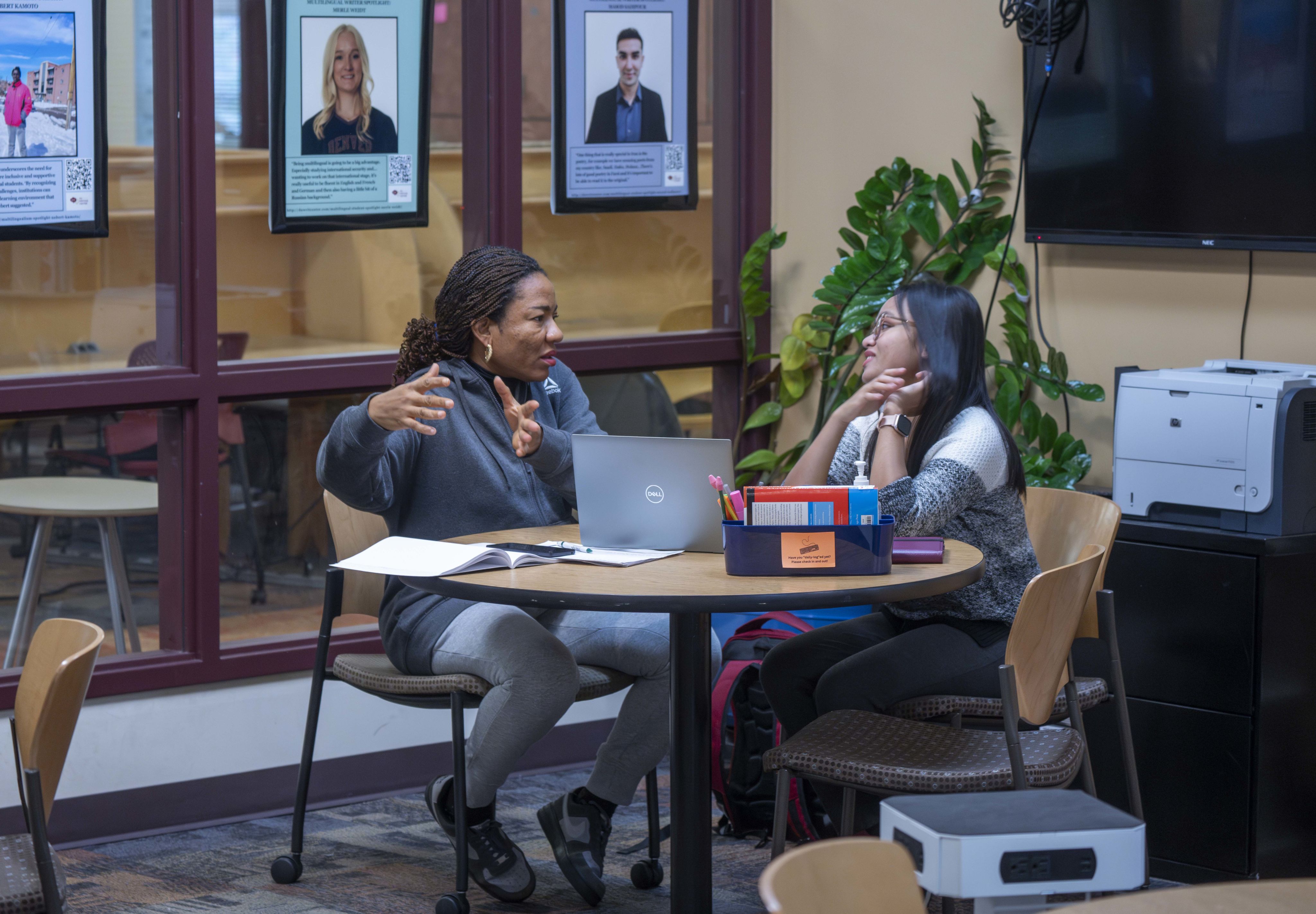
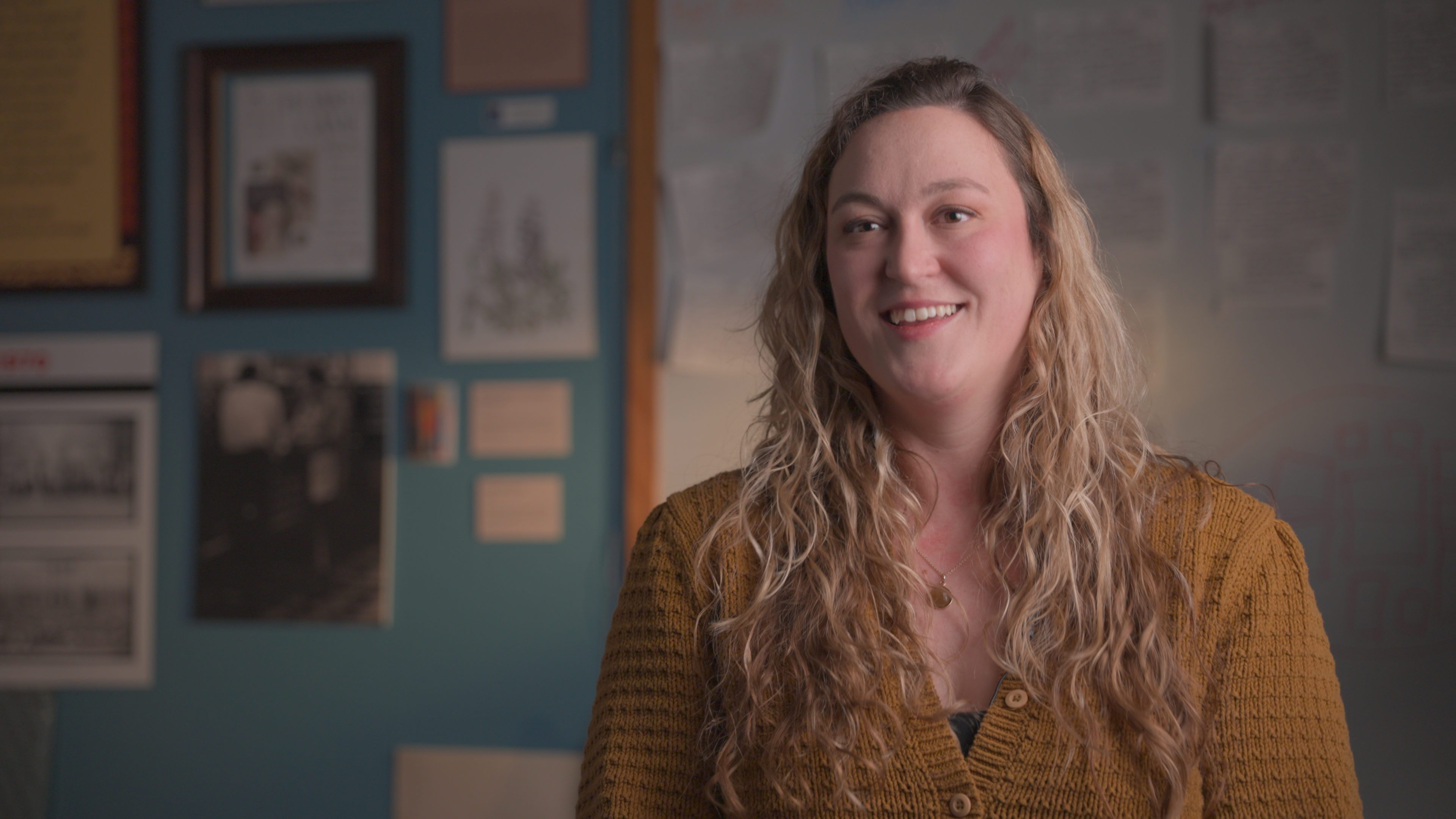
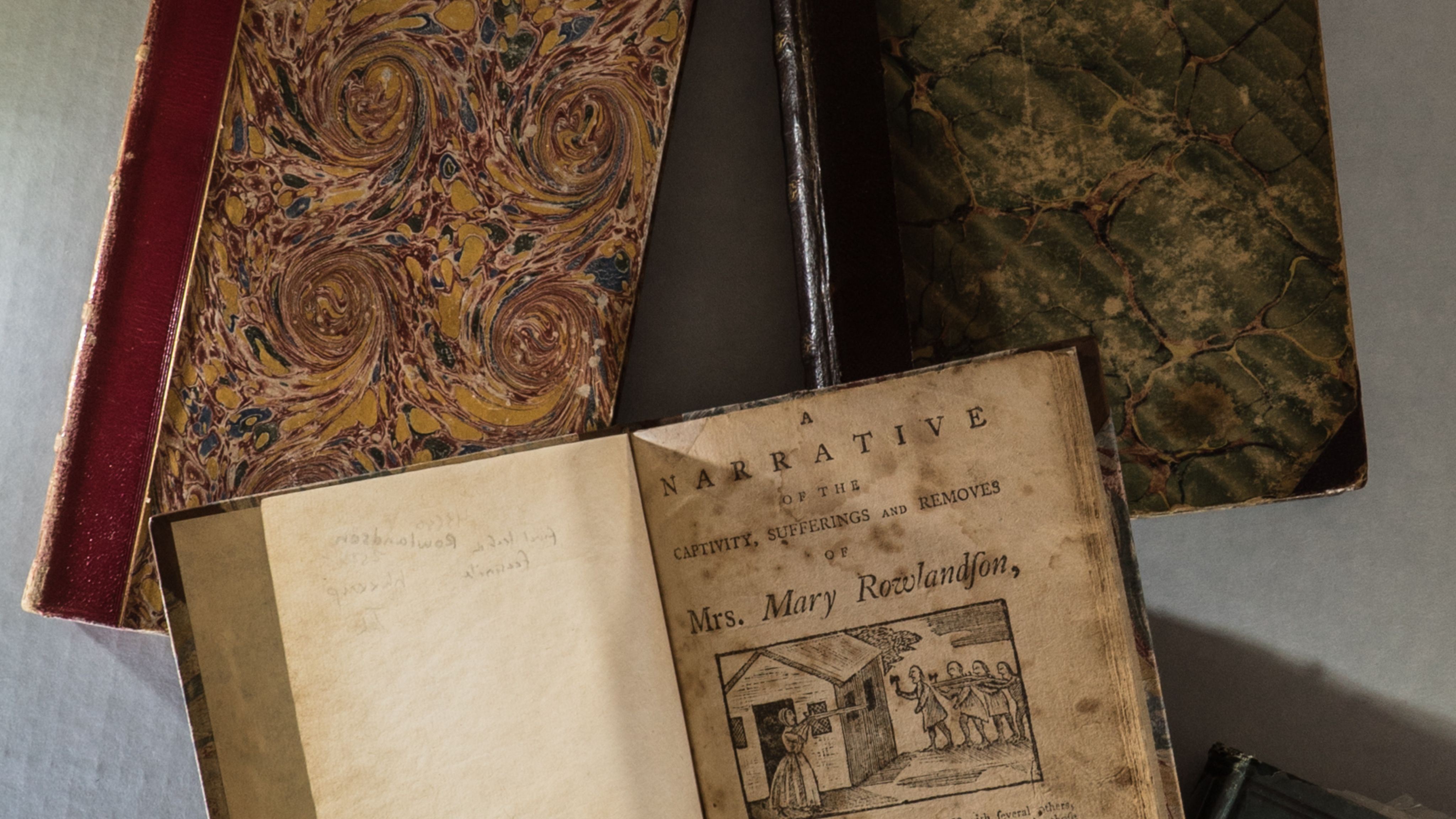
DU alum Madison Sussman (MA ’20), exhibits librarian, has a special role based on the mission of community engagement — to curate public exhibits designed to turn library spaces into galleries that educate and inspire the community.
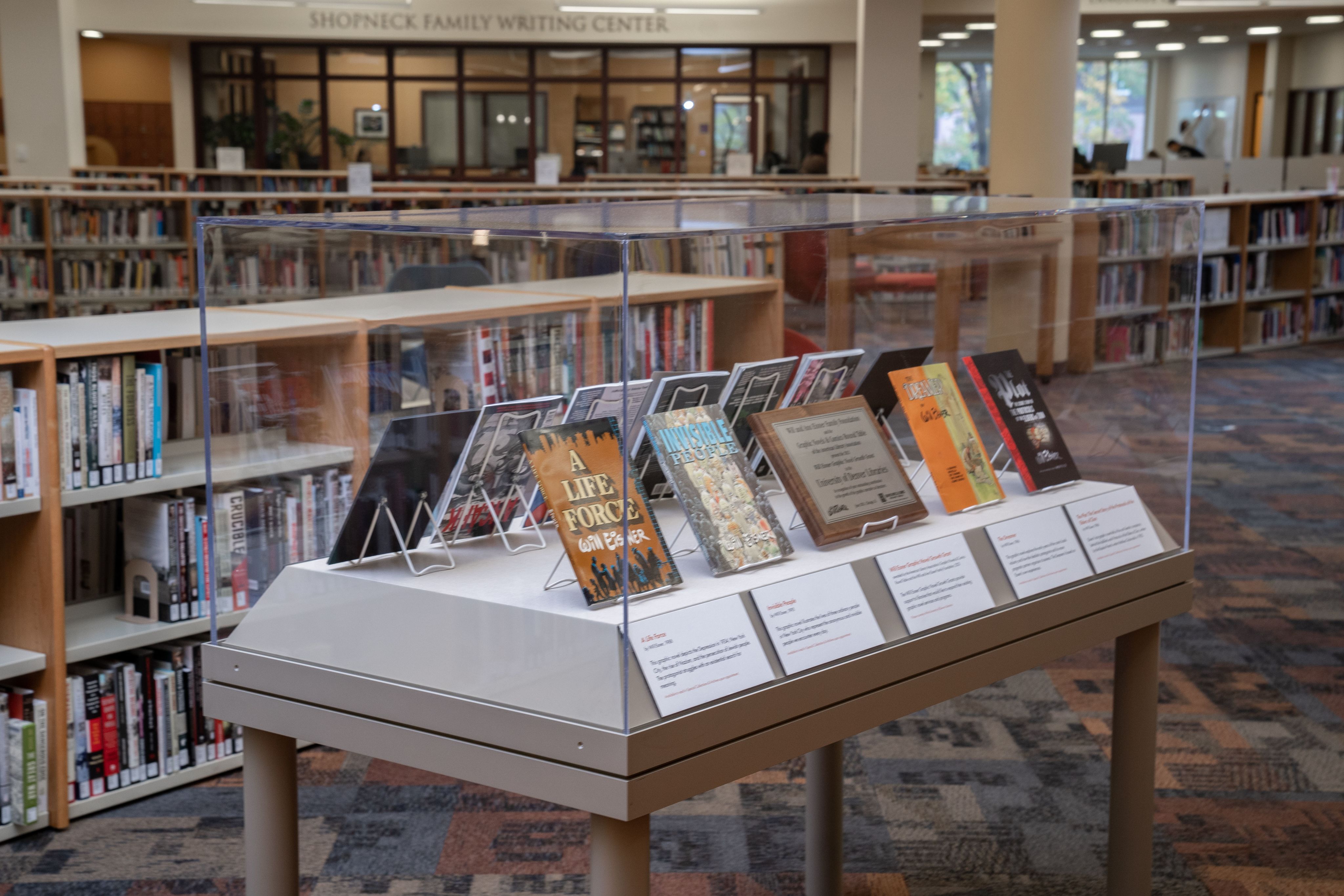
These exhibits, expertly displayed in glass cabinets, shadowboxes, and gallery walls throughout Anderson Academic Commons, are often curated in collaboration with campus groups, from graduate research teams to student organizations. They showcase collections of ephemera and objects from the libraries’ collections that, when displayed together, tell DU’s stories.
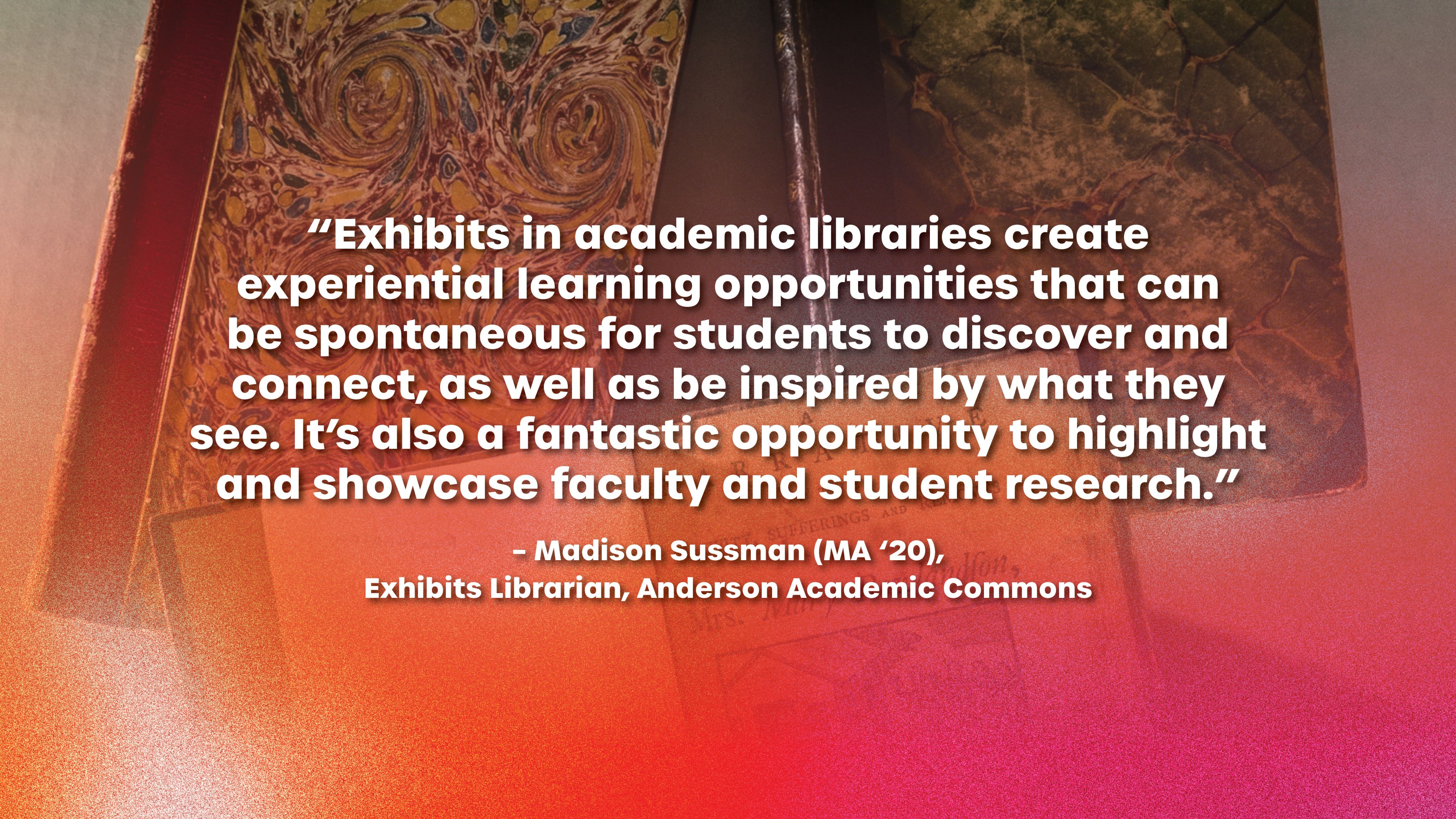
Sussman’s job, which is relatively unique to DU, is to spark what she calls “spontaneous exponential learning.” She explains, “People generally aren’t coming here to see an exhibit,” she says, discussing the main campus library, where her office is housed. “Most likely, they are coming with their minds open, looking to research and explore. And so, my job is to tap into that while they’re here.”



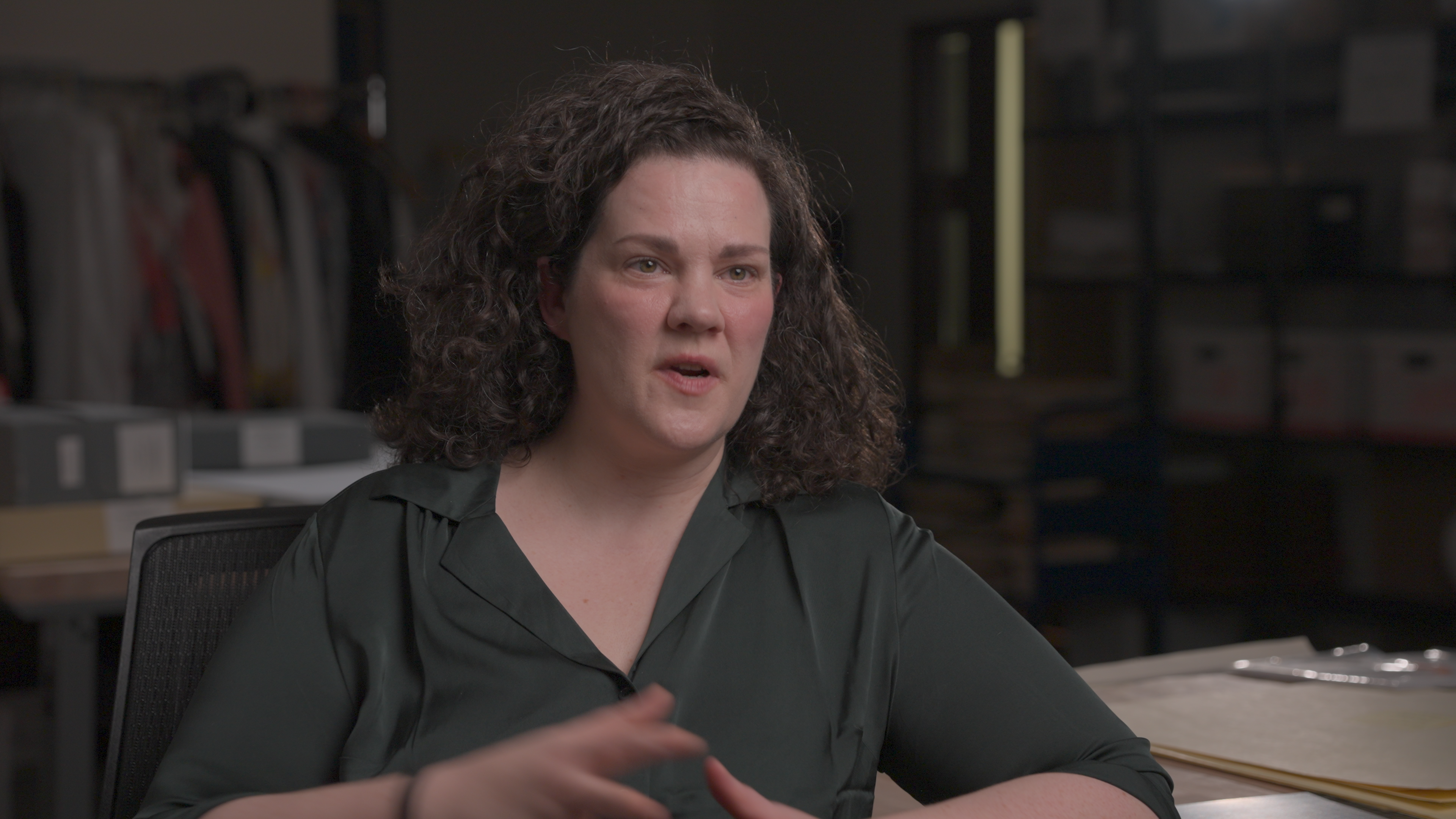
Kate Crowe, DU’s special collections librarian, often collaborates on these exhibit projects, drawing on her deep knowledge of DU’s most unique objects, documents, and artifacts, many of which have to do with the University’s history.
A key part of her role is helping students and faculty access these materials, which includes teaching up to 70 research practice seminars a year, giving students applied experience using primary sources.
“We make sure thousands of students are getting their hands on research experience with archives. I hope that they find a way to connect not just in a scholarly way, but in a way that makes them understand that they are part of a larger history.”
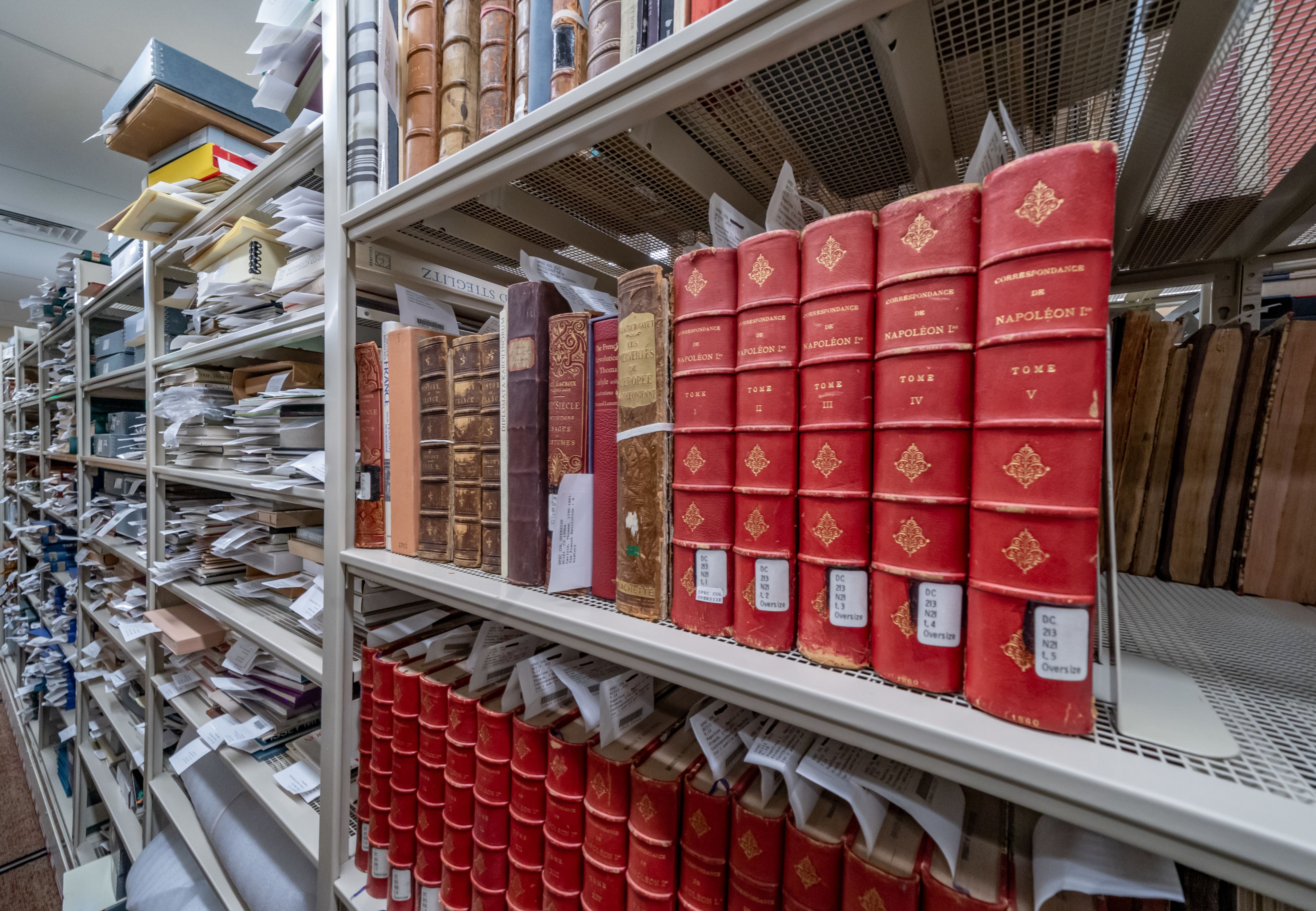
In addition to being keepers of institutional records and artifacts, DU’s libraries are places of rich experiential learning for everyone on campus — from undergraduates just beginning their research journeys to tenured professors advancing RI scholarship at an international scale.

Research in Action
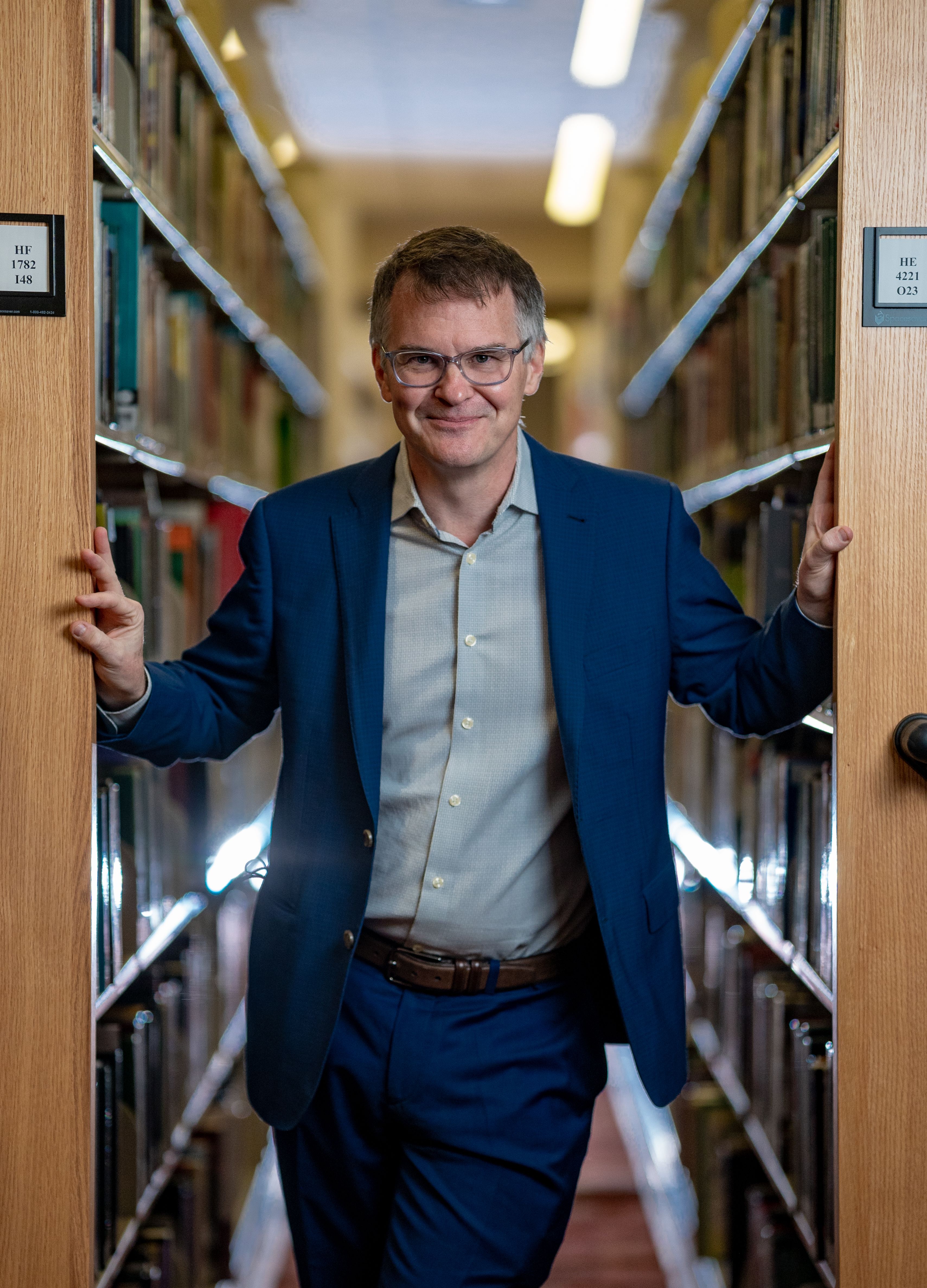
One professor who puts this capacity in action is DU alum Robert Gilmor (PhD ’16), who teaches in DU’s University Writing Program. Collaborating with Kate Crowe, who often serves as a guest lecturer in his classroom, he assigns his students a substantial research project focusing on DU’s history. This assignment requires students to interact directly with archival documents — often for the first time in their academic careers.

“This project is a way for students to encounter approaches to research that aren’t easy, that are often resistant to simple answers, that are hard to Google. It invites students to be very active in the meaning-making processes. They do legitimately original research.”
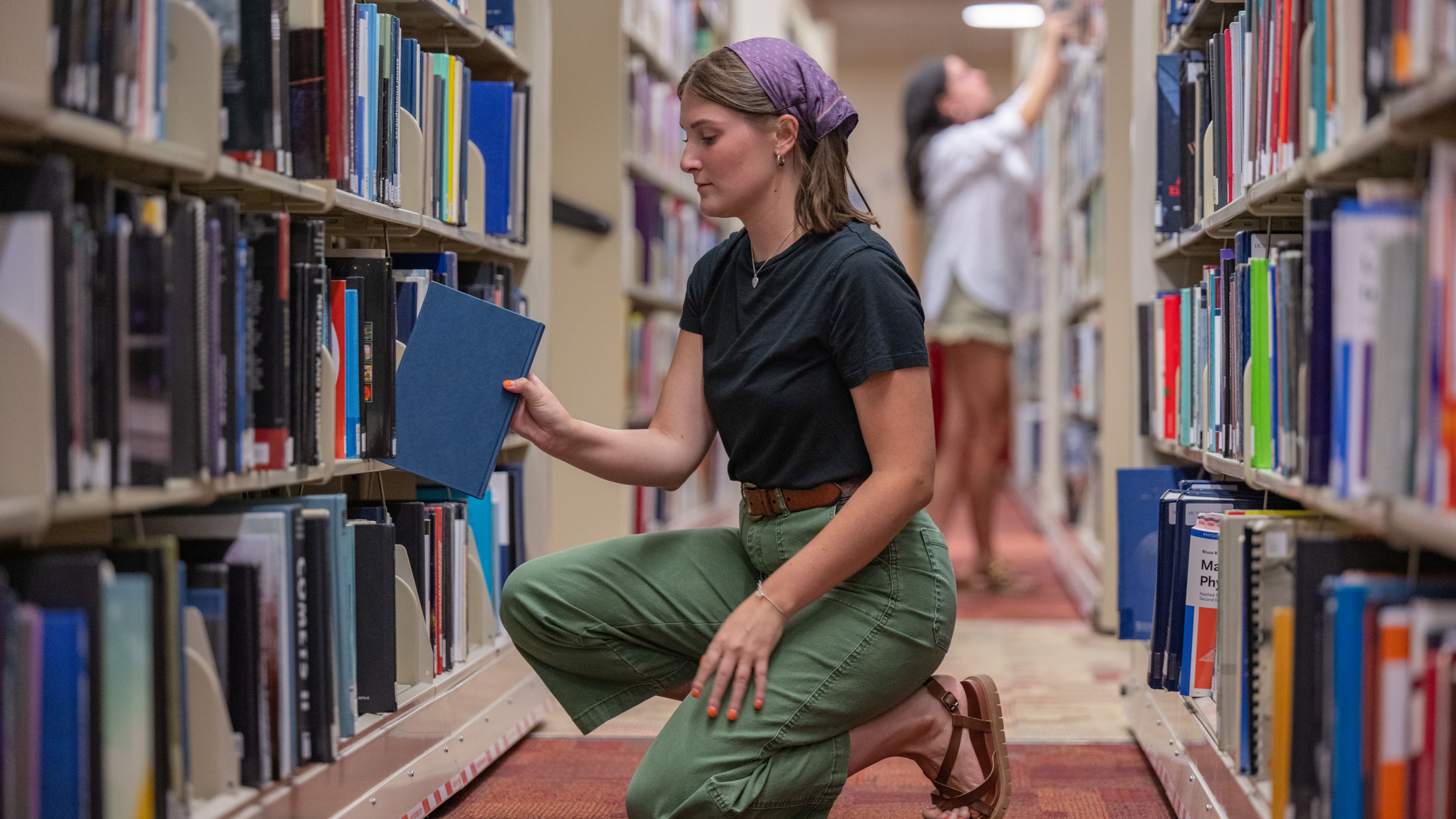
Gilmor’s students contribute to the library’s resources archiving their projects in an ever-growing online repository. Likewise, in collaboration with Sussman, his students curate public library exhibits to share their research findings with the broader community, sparking ongoing conversations. For example, in the spring of 2025, DU student Kayla Stutz completed a substantial research project on "Photographic Printing Throughout History," which is now permanently displayed on the Exhibits @ DU platform for all to enjoy.


These meaningful experiences equip DU students with well-honed research and critical thinking skills, preparing them for careers and lives of purpose.
Combatting Misinformation, Embracing AI
Levine-Clark cites the rise of misinformation — deliberate or not — as both a challenge and an opportunity for librarians. As artificial intelligence chatbots have become a primary search engine for the public — including university students — ideas around authority and what makes information trustworthy are being challenged culture-wide.
“Libraries are often on the front lines of protecting information. There’s a lot of stuff out there that is just wrong.”

But he also sees the potential benefits of AI for libraries and their patrons. These technologies could help with tasks like sorting through and cataloging massive amounts of archival information, such as the thousands of uncategorized photographs in the DU collection.
He speculates on future applications: “We might be able to train AI on things like yearbooks and student newspapers, where you have lots of photos with labels, and then feed those photos into the system to see if you could learn who those people in the uncatalogued photos are.” In this way, technology could assist researchers in the labor-intensive aspects of their projects.

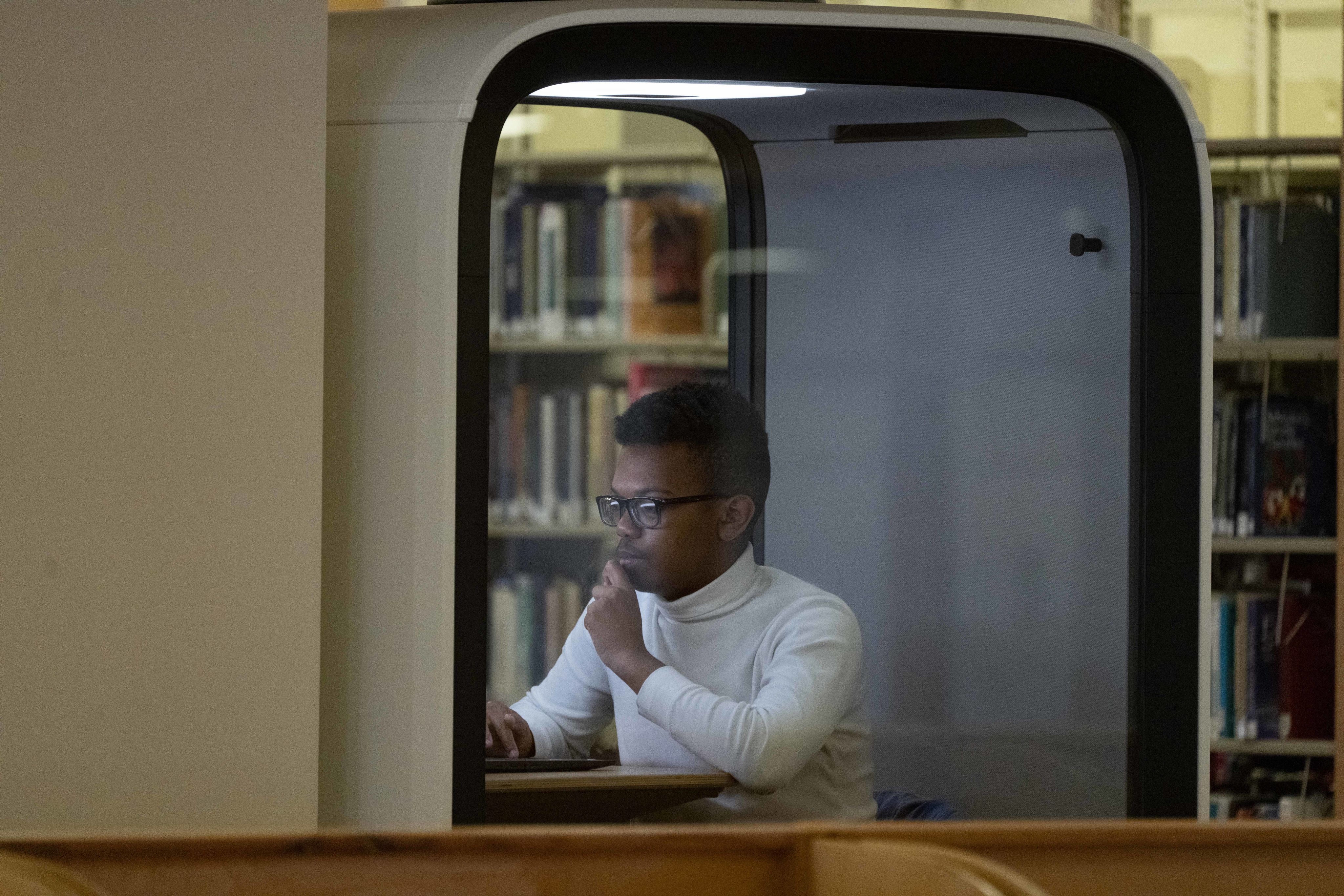
Books are Just the Beginning
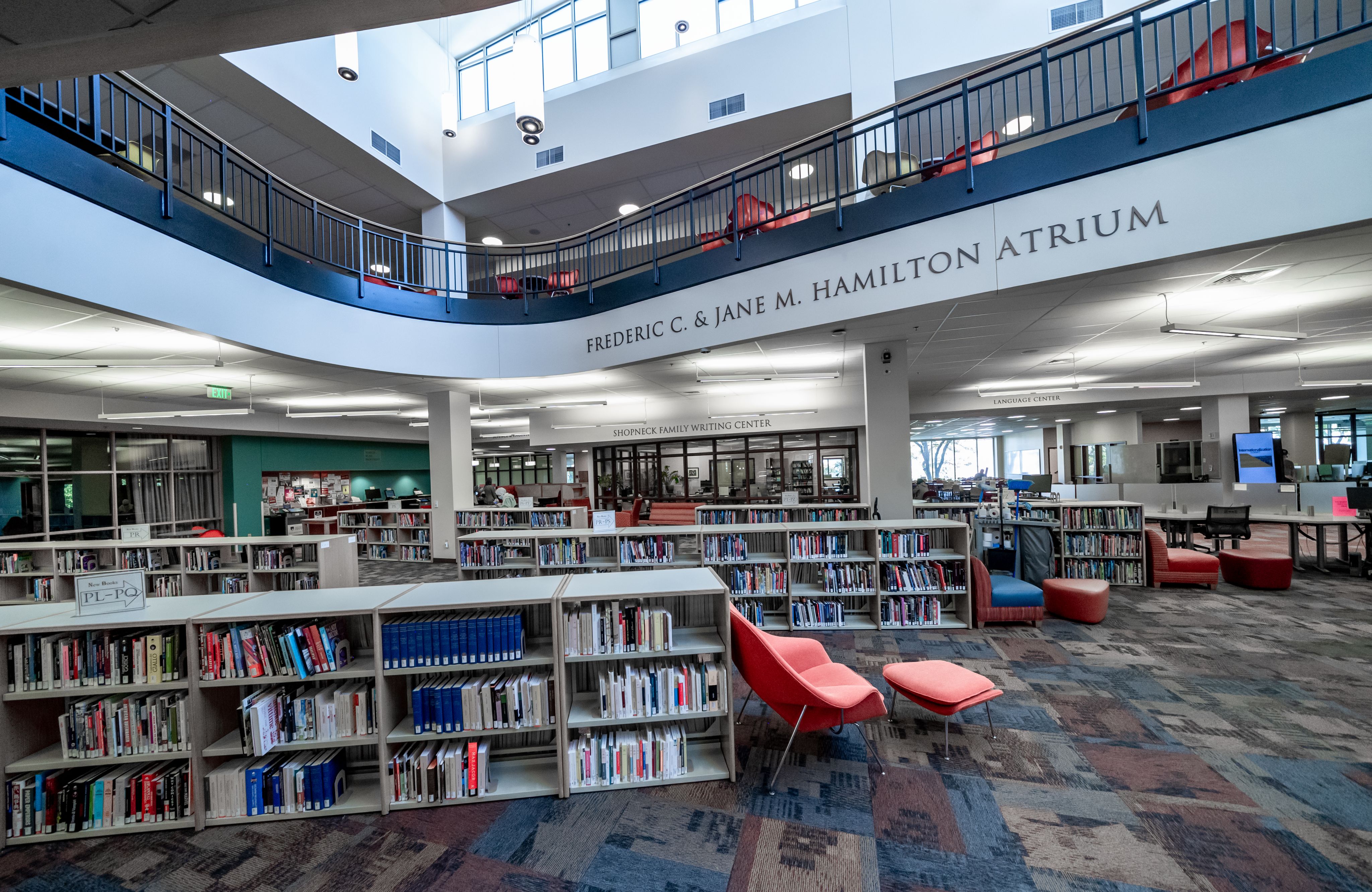
Anyone who has entered Anderson Academic Commons, which houses University Libraries, knows it lives up to its name. Beyond its impressive stacks of books and collections, it is a community hub, buzzing with students, staff, and faculty who share DU’s mission to support the public good through curiosity and knowledge-building.

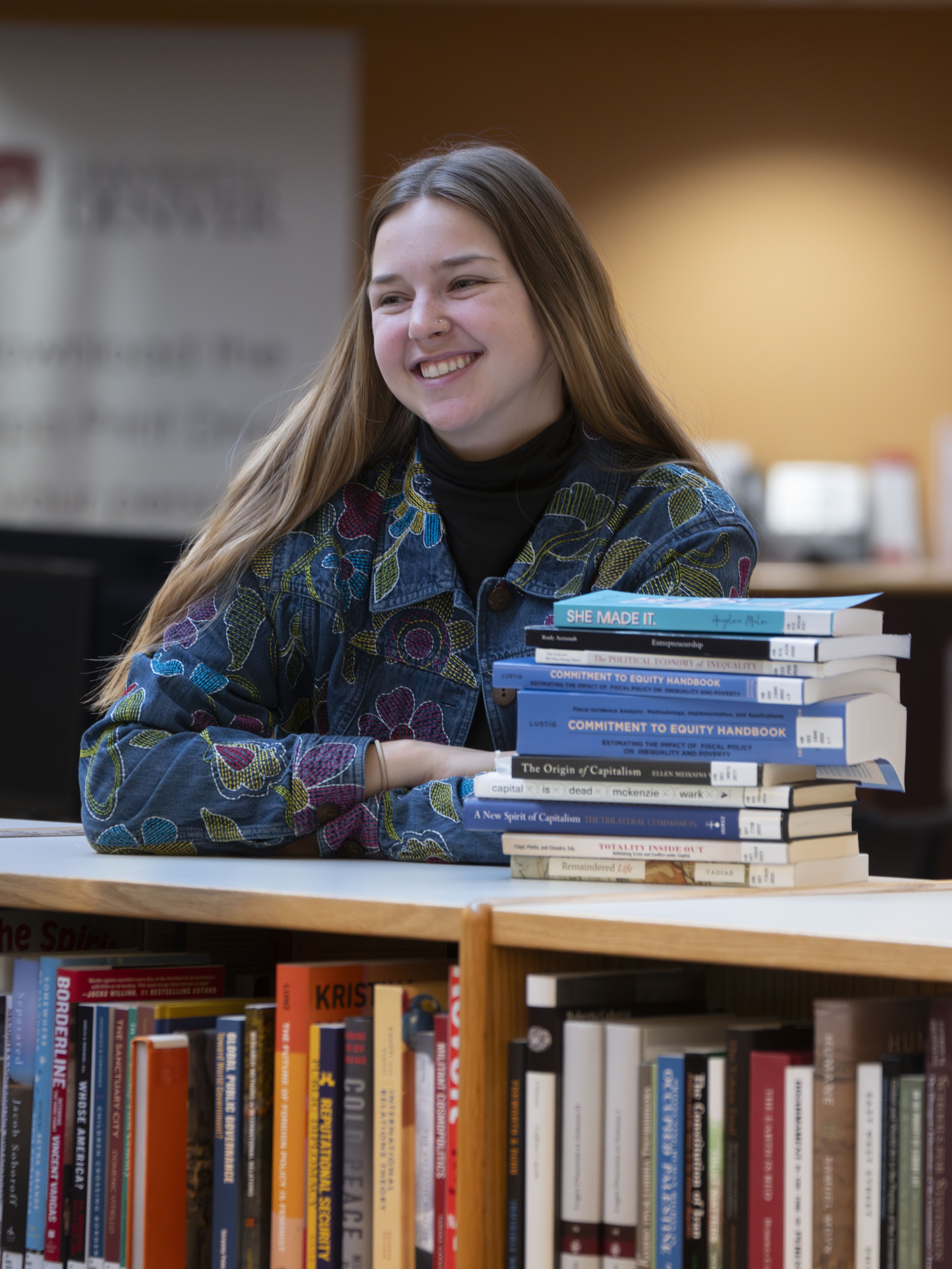
Agile in its evolution, DU’s library system has kept pace with a rapidly modernizing world –– from the dawn of the internet in the 90s, to the introduction of the PDF, to today’s emergent technologies. It is prepared to serve DU students as they ask big questions, explore deep history, and build an innovative future.



Let’s show the world what DU can do.
DU Libraries are the heart of our academic community. Learn how you can support these vital collections.


The Denver Difference campaign is empowering DU to lead with a bold, innovative approach and redefine higher education—driving a lasting impact on the public good through its visionary people, programs, and places.
Be the first to hear about upcoming stories like this by signing up below!
University of Denver | Advancement | 2199 S. University Blvd | Denver, CO 80208 | advancement@du.edu
 Built with Shorthand