
DU’s Center for Art Collection Ethics
Where Provenance Meets Purpose
The Center for Art Collection Ethics (ACE) at DU advances transparency, justice, and ethical stewardship across the art world.

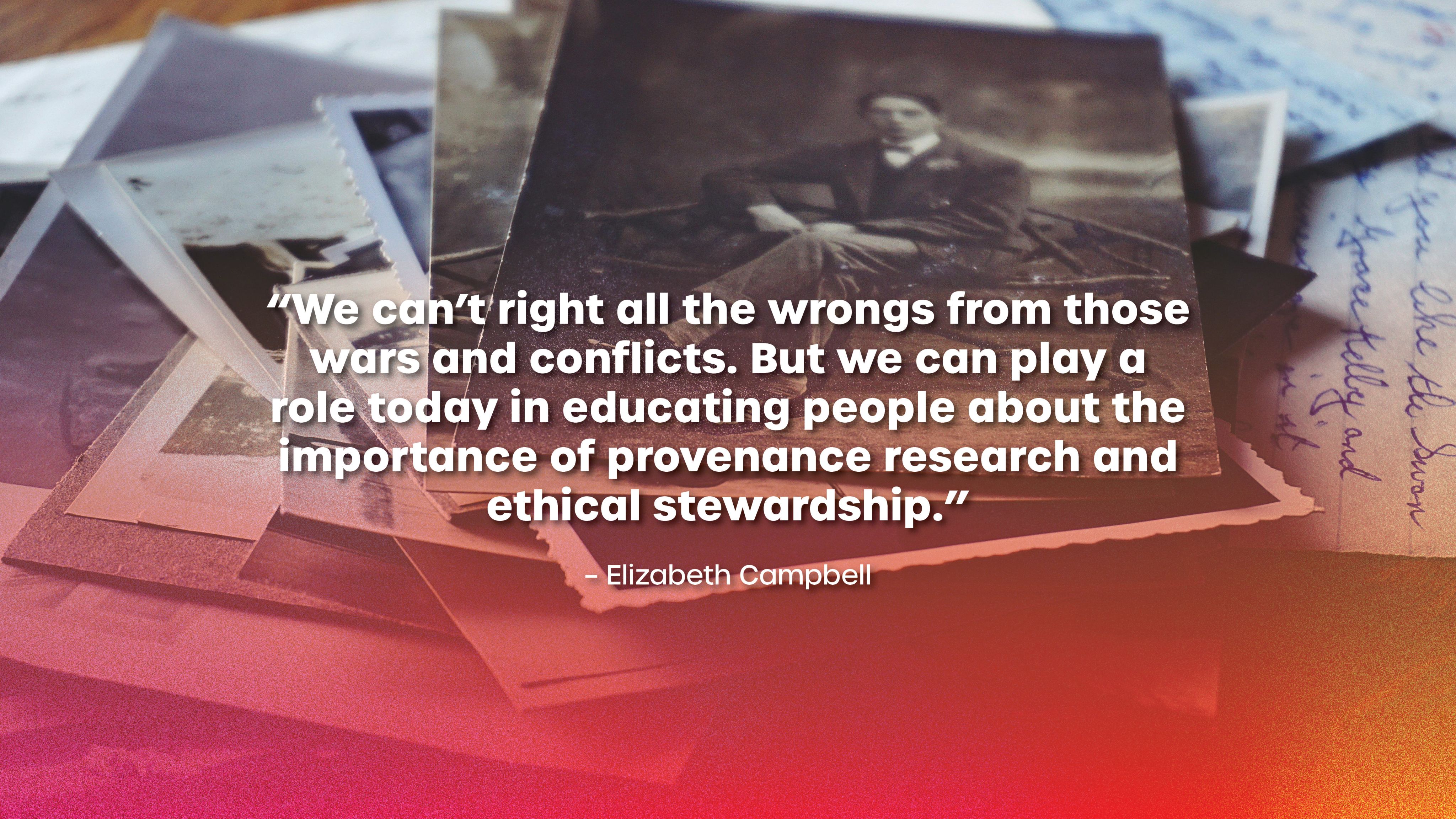
“The ethical stewardship of objects can provide a way to tell human history in a different light. Carrying out provenance research, and, when it’s warranted, returning items to families or communities, can be a form of restorative justice.”
Promoting Ethical Stewardship
Whether held in museums, libraries, galleries, or private collections, responsible stewardship of art and cultural objects requires an understanding of the legal and ethical issues that shape their histories.
Established by DU's College of Arts, Humanities & Social Sciences in 2018, ACE is the only U.S. program of its kind that trains museum and art market professionals in ethical research and stewardship of art collections outside of a degree program, while also educating the public about responsible collection practices.
Provenance research, a core focus of the program, traces an object’s history, documenting who has owned it, and when and where it has changed hands.
Provenance in Practice
ACE brings conversations about the legal and ethical dimensions of art collection stewardship to the DU community and beyond. Through its news blog, social media, training programs, and public events, ACE examines the latest advances and challenges in art stewardship, providing thought-provoking commentary from a historical perspective.
Much of ACE’s education, outreach, and advocacy work centers on provenance research, restorative justice, and fostering ethical practices at every stage of the art acquisition and collection process. The Center offers postgraduate, non-degree certificate programs for graduate students and emerging professionals in museums, galleries, and the art market, as well as non-certificate enrollment and/or free lectures, panel discussions, and symposia for members of the public. In ACE training programs, students learn about the importance of provenance research from international experts, a crucial part of this process.

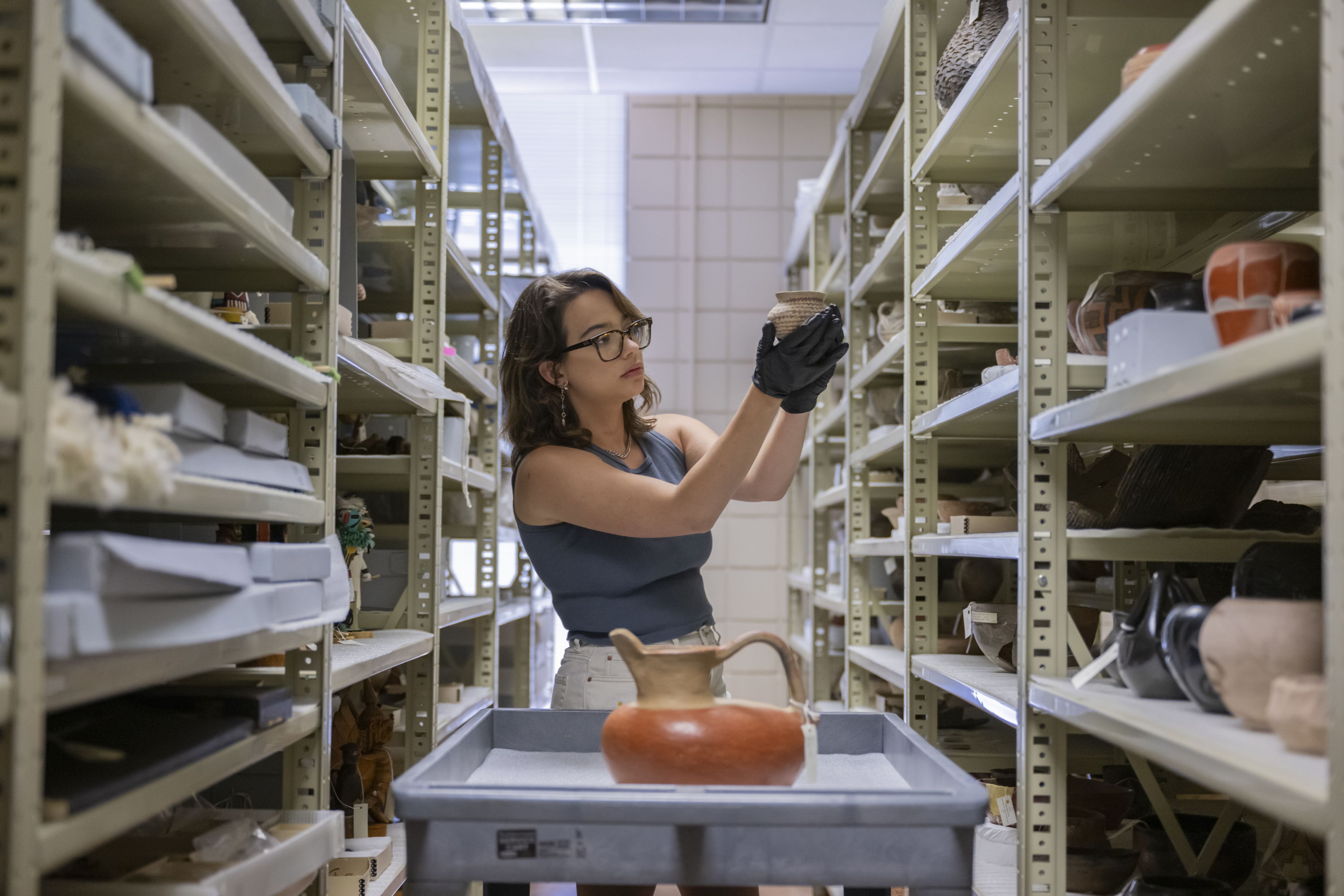
DU student examines anthropological artifacts in the DU Museum of Anthropology collections
DU student examines anthropological artifacts in the DU Museum of Anthropology collections
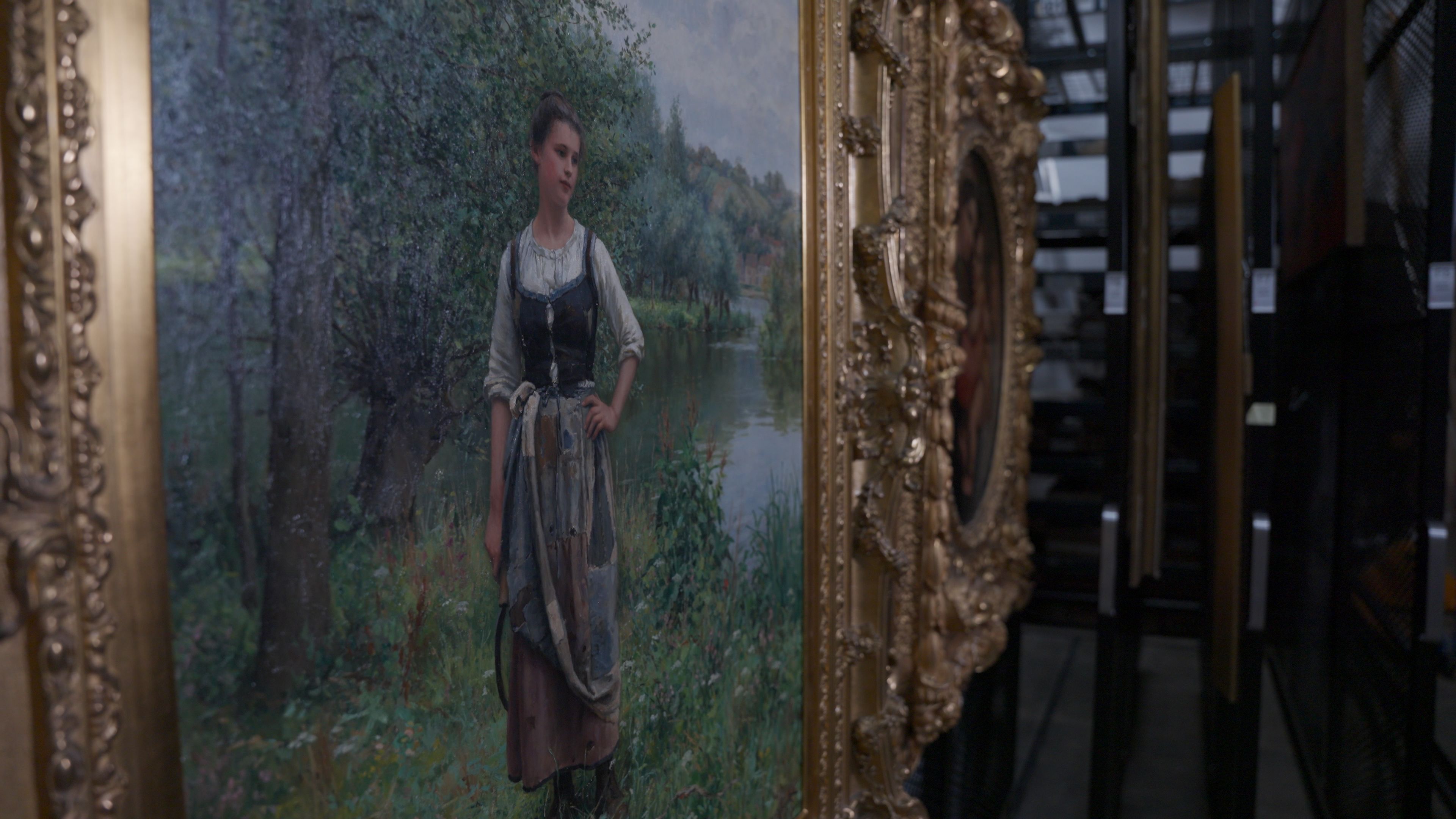
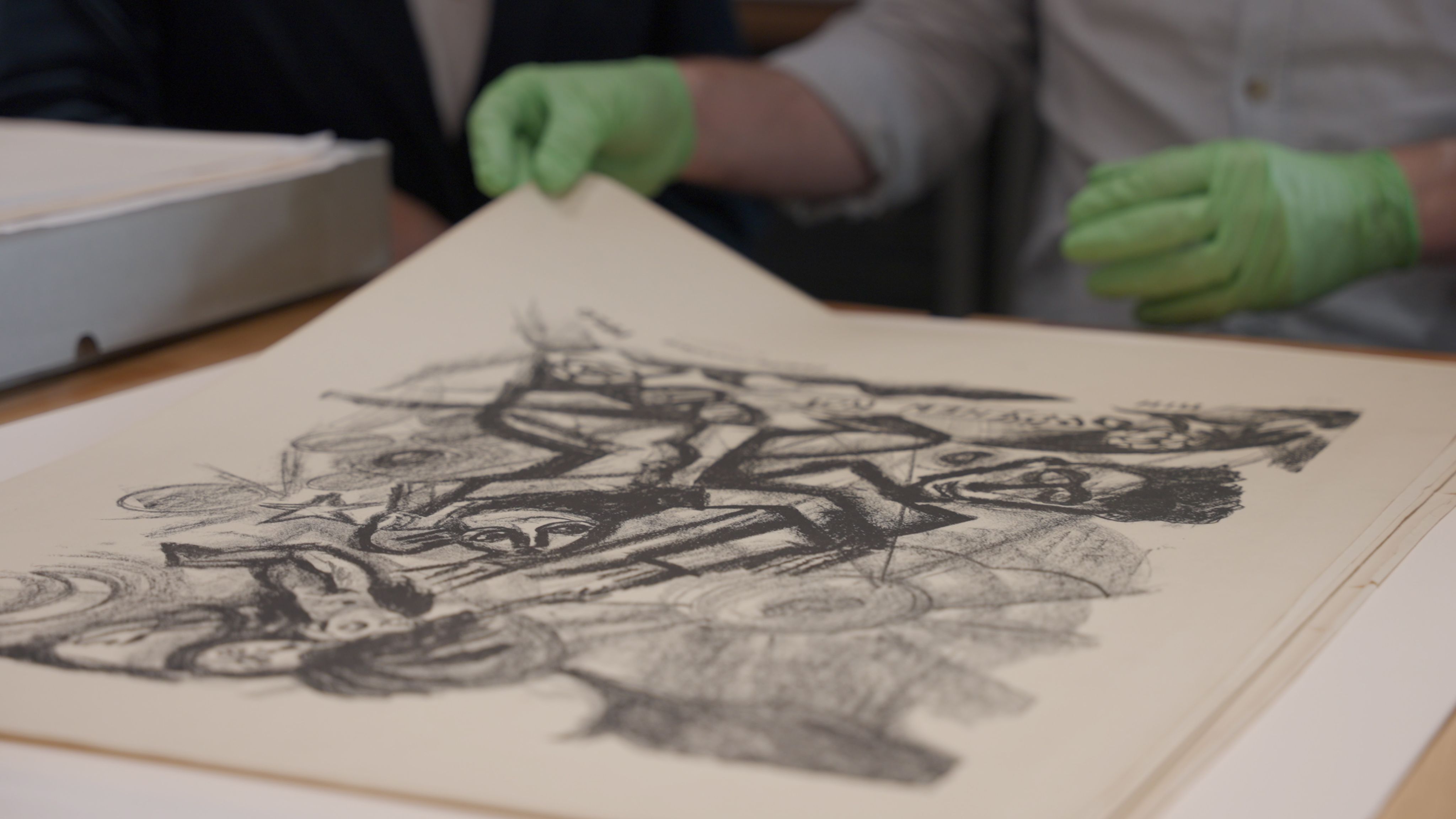
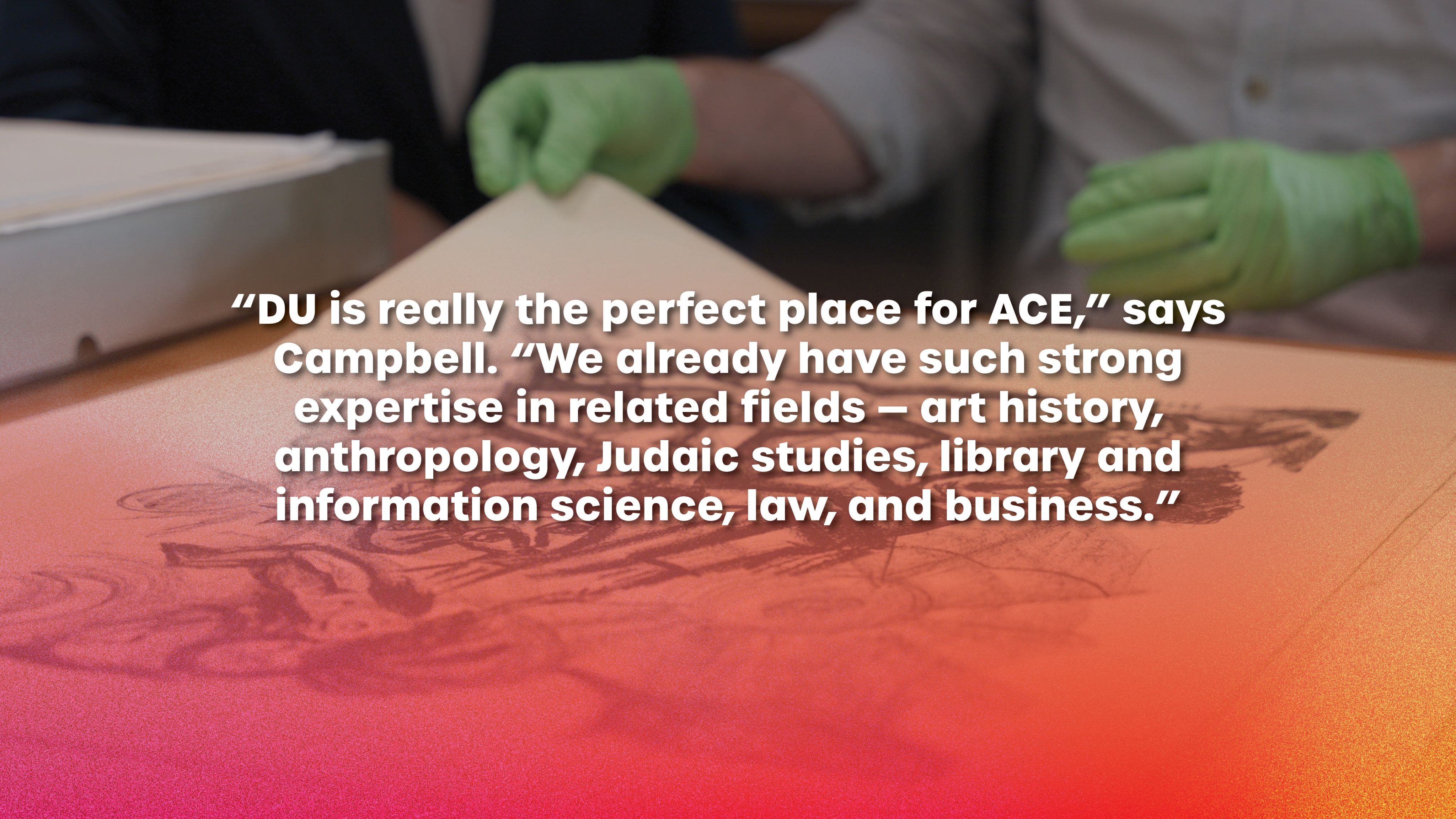
This type of research takes on even greater meaning when an artwork may have been acquired at some point in its past via theft, violence, and/or coercion. As Campbell notes, researchers must look far beyond an artwork itself to write these ownership histories. Often, they examine online archives and databases, auction catalogs, and dealer stock books, consult with other individuals about an item’s cultural and historical background, and in some cases, even travel to other cities or countries to dig deeper into the past. These findings converge to form a fuller portrait of an object’s biography across space and time.
“Artworks and objects often pass through many hands before they arrive at a museum or other cultural institution. We recognize that it is sometimes hard to say by whom, where, when, and how those objects were acquired. That’s why it is important to have training in the field of provenance research. Fundamentally, it's about ethical practice, human rights, and cultural rights.”



High-Impact R1 Research
By training the next generation of museum professionals and art researchers, ACE demonstrates how humanities research drives innovation and helps uphold DU’s prestigious R1 distinction.
Part of what makes ACE special is the interdisciplinary nature of its work, where experts and students from various fields can come together to discuss ethical stewardship.
Education in Action
Campbell met Nina McGehee while teaching an adult education class on Nazi art looting for DU’s College of Professional Studies. “After the second session,” Campbell recalls, “a lovely woman came up to me and said, ‘Professor, I have to apologize. I need to be absent next week because I'm going to be receiving works of art from a German museum on behalf of my family.’” That woman was Nina, whose family was in the process of reclaiming art stolen from their relatives by the Nazi regime during WWII.

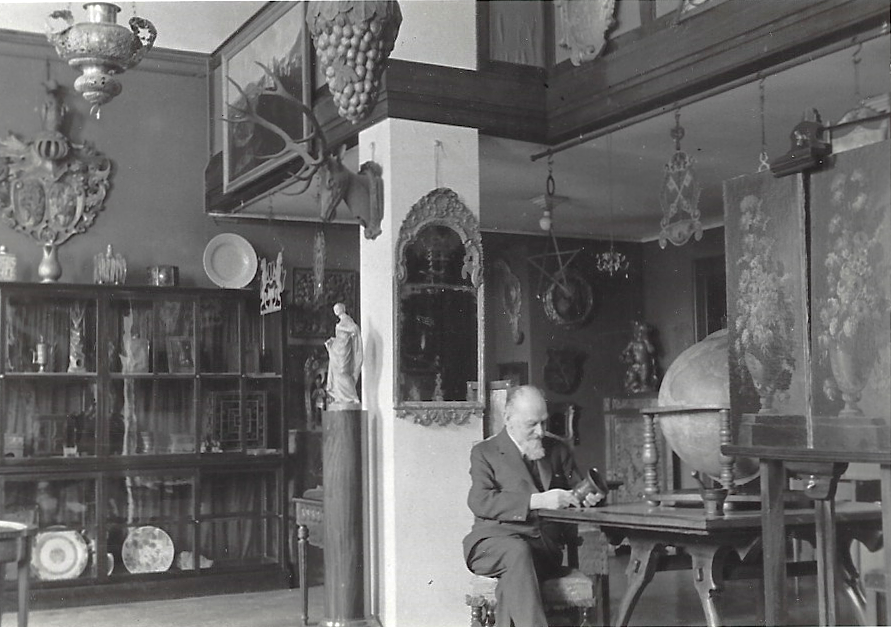
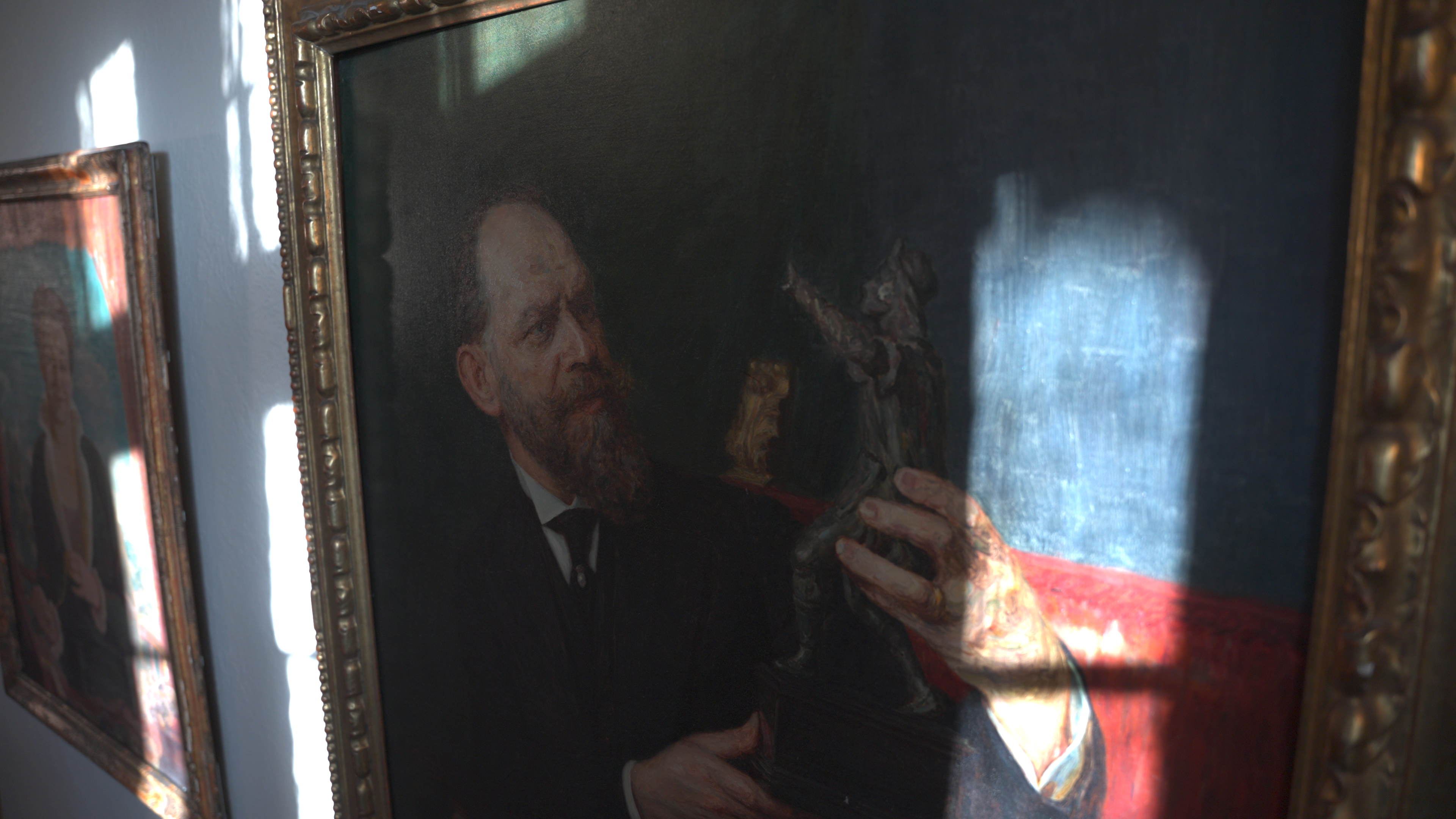
Nina McGehee's great-grandfather, Siegfried Laemmle, working in his family's art and antiques business in Munich, Germany
Nina McGehee's great-grandfather, Siegfried Laemmle, working in his family's art and antiques business in Munich, Germany
The two developed a close bond, and Campbell continues to follow the family’s restitution efforts. “It's an excellent example of the importance of recovery of these items,” Campbell explains. “They are not masterpieces, but they mean a great deal to the family. Restitution provides a way to honor their ancestors.”
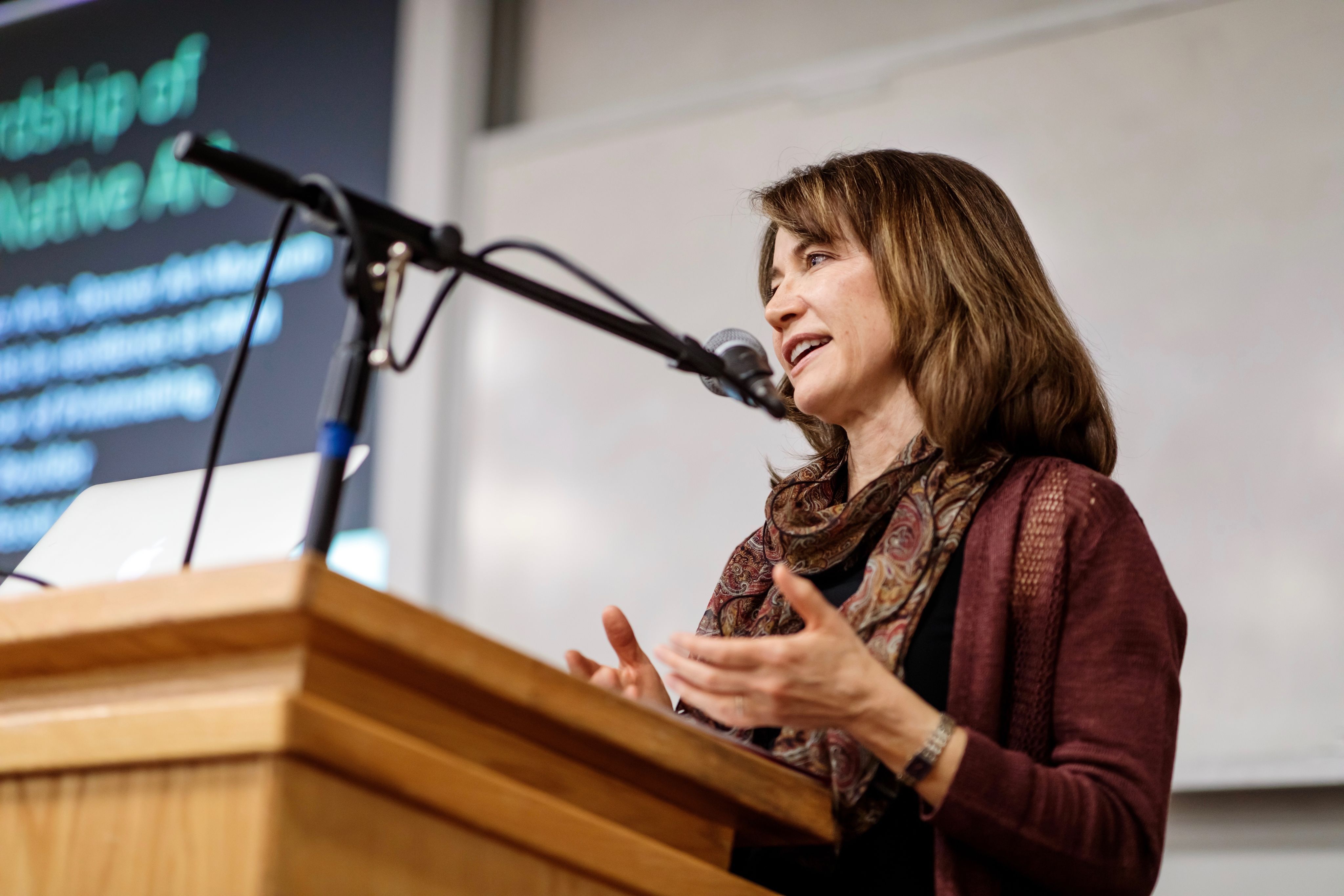
Elizabeth Campbell, PhD, Founding Director, Center for Art Collection Ethics and DU Professor of History
Elizabeth Campbell, PhD, Founding Director, Center for Art Collection Ethics and DU Professor of History




Real-World Impact
For Nina McGehee and her husband Rex, the restitution process has been a way to heal generational wounds and connect more deeply with their relatives. “The items themselves maybe aren't worth so much,” Rex reflects, “but what they represent — what was stolen and what has been returned — that is meaningful. This is not just a transactional thing. It's about healing more than just one wrong.”

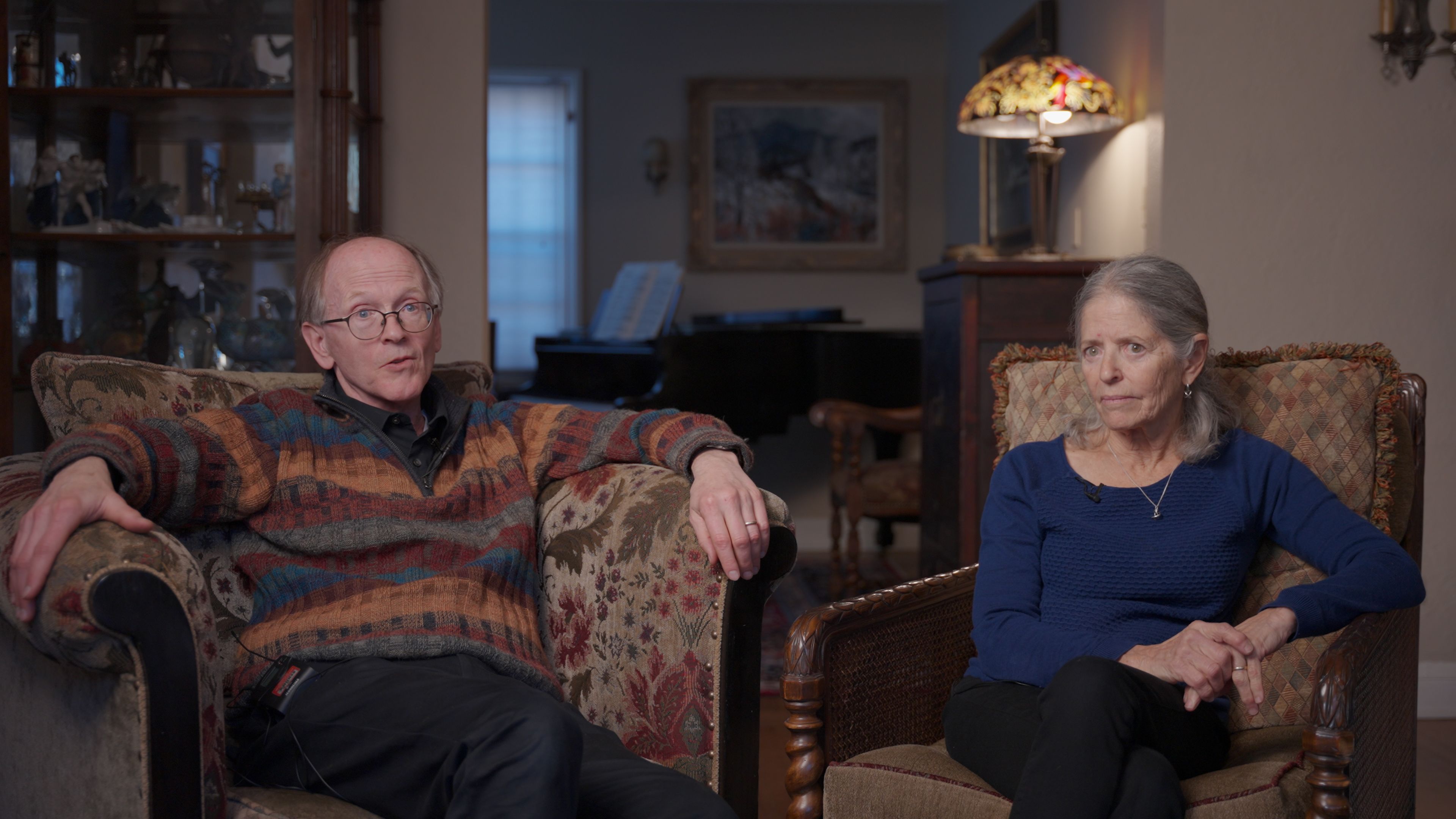
Rex and Nina McGehee
Rex and Nina McGehee
Every day, ACE-trained professionals connect the dots to foster a more transparent cultural landscape and ensure ethical stewardship of art and cultural items in their care. Working for internationally renowned museums, cultural institutions and art market organizations, they advocate for ethical provenance procedures, turn away undocumented works, and help ensure collections are managed with accuracy, thoughtfulness, and integrity. At some large institutions, change happens slowly, but ACE alumni are well positioned to help implement more ethical practices.

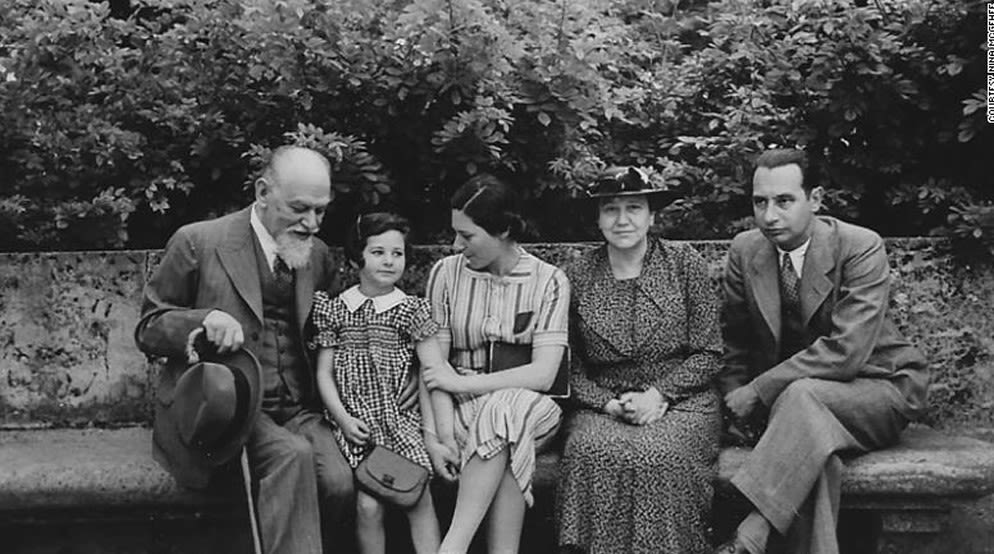
Siegfried Laemmle with his family in 1937
Siegfried Laemmle with his family in 1937
In our rapidly changing world, this ongoing diligence is what truly safeguards cultural heritage and builds trust across museums, galleries, and the art market. Through its social media presence, training programs, and public events, ACE is equipping emerging professionals and the broader public to navigate ethical challenges in the art world, while advancing DU’s mission to serve the public good.

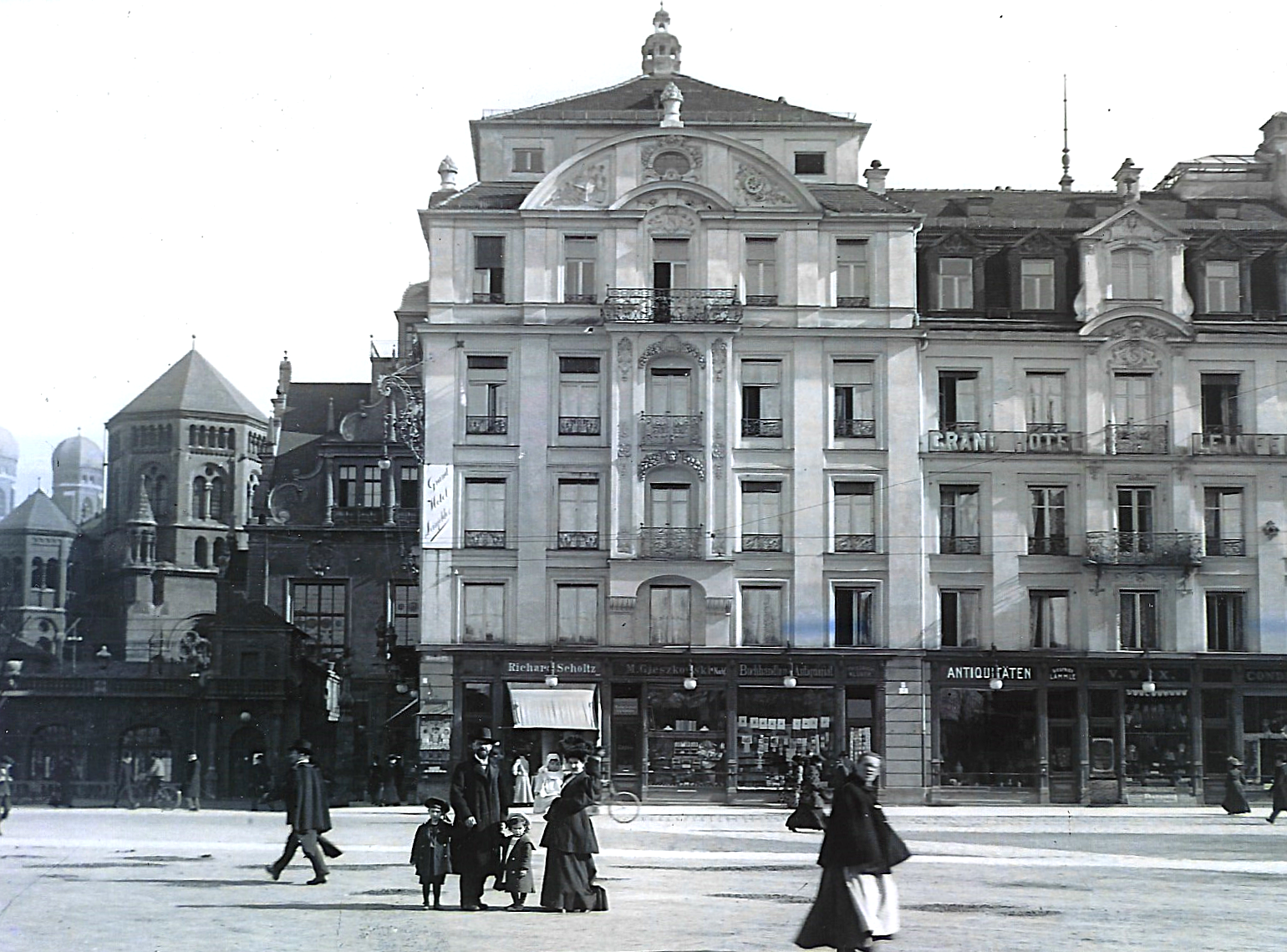
Siegfried Laemmle and his family in front of their art and antiques shop (visible to their right)
Siegfried Laemmle and his family in front of their art and antiques shop (visible to their right)



Let’s show the world what DU can do.
Support the Center for Art Collection Ethics' efforts to raise awareness of the legal and ethical dimensions of art collection stewardship.



The Denver Difference campaign is empowering DU to lead with a bold, innovative approach and redefine higher education—driving a lasting impact on the public good through its visionary people, programs, and places.
Be the first to hear about upcoming stories like this by signing up below!
University of Denver | Advancement | 2199 S. University Blvd | Denver, CO 80208 | advancement@du.edu
 Built with Shorthand